



news
Expert Tips for Maintaining Your Metal Coil Slitting and Rewinding Machine
Jun 27,2026
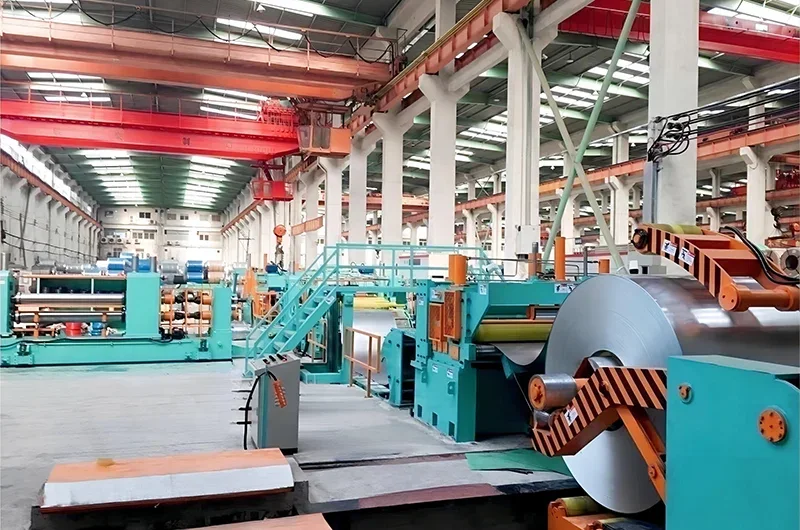
Expert Tips for Maintaining Your Metal Coil Slitting and Rewinding Machine
Table of Contents
- Introduction
- Understanding Metal Coil Slitting and Rewinding Machines
- The Importance of Regular Maintenance
- Daily Maintenance Tips for Optimal Performance
- Weekly Maintenance Checklist
- Monthly and Quarterly Inspections
- Troubleshooting Common Issues
- Advanced Maintenance Strategies for Professionals
- Conclusion
- Frequently Asked Questions (FAQs)
Introduction
Maintaining your **metal coil slitting and rewinding machine** is crucial for ensuring its longevity and optimal performance. These machines play a significant role in the manufacturing process, particularly in industries that require precise metal strips. Regular maintenance not only enhances efficiency but also prevents costly downtime and repairs. In this comprehensive guide, we share expert tips that will help you keep your machine in peak condition.
Understanding Metal Coil Slitting and Rewinding Machines
Metal coil slitting and rewinding machines are essential tools used in various industries for cutting large rolls of metal into narrower strips, often referred to as coils. These machines operate efficiently to produce uniform widths, which are vital for the manufacturing of products that require specific dimensions.
Key Components of Metal Coil Slitting and Rewinding Machines
To effectively maintain your machine, it’s important to understand its key components:
- **Blades**: These are responsible for cutting the metal coils. Keeping them sharp and properly aligned is essential for optimal performance.
- **Rewind Mandrels**: They hold the newly slit coils. Ensuring they are clean and free from debris is crucial for maintaining quality.
- **Control Systems**: These manage the machine's operations. Regular checks and software updates are necessary for smooth functioning.
The Importance of Regular Maintenance
Regular maintenance of your metal coil slitting and rewinding machine is not just a recommendation; it is a necessity. Failure to maintain your equipment can lead to several issues, including:
- **Decreased Efficiency**: Machines that are not properly maintained tend to operate less efficiently, resulting in increased production costs.
- **Increased Wear and Tear**: Neglecting maintenance can accelerate the wear and tear of critical components, leading to premature failures and costly repairs.
- **Safety Hazards**: A malfunctioning machine can pose safety risks to operators, potentially leading to accidents and injuries.
Daily Maintenance Tips for Optimal Performance
Implementing daily maintenance practices can significantly enhance the longevity of your machine. Here are some essential daily tips:
1. Clean the Machine Regularly
Dust and debris can accumulate on your machine, affecting its performance. Wipe down all surfaces and remove any metal shavings to keep the machine clean.
2. Inspect Blades and Components
Daily inspections of the blades and other components should be carried out. Look for signs of wear or damage and replace parts as necessary to ensure optimal cutting performance.
3. Lubricate Moving Parts
Regular lubrication of moving parts reduces friction and wear, thereby extending the life of your machine. Use the manufacturer’s recommended lubricants for best results.
Weekly Maintenance Checklist
In addition to daily tasks, a weekly maintenance checklist should be followed to ensure that all components are functioning correctly.
1. Tighten Bolts and Screws
Vibration during operation can loosen bolts and screws over time. Regularly check and tighten these fasteners to maintain structural integrity.
2. Check Electrical Connections
Inspect electrical connections to ensure they are secure and free from corrosion. Faulty connections can lead to malfunctions and operational issues.
3. Test Emergency Stops and Safety Features
Safety features are crucial for protecting operators. Test emergency stop buttons and other safety mechanisms to ensure they function properly.
Monthly and Quarterly Inspections
In addition to daily and weekly maintenance, monthly and quarterly inspections are essential for detecting potential problems before they escalate.
1. Comprehensive Performance Evaluation
Conduct a full performance evaluation of the machine. This includes checking for vibrations, noise levels, and operational efficiency.
2. Replace Worn Parts
Identify and replace any worn parts, including blades and bearings, that could affect performance. This proactive approach will save you from more significant repairs down the line.
3. Inspect the Hydraulic System
For machines that utilize hydraulic systems, regular inspections are critical. Check for leaks or inconsistencies in pressure that could indicate a problem.
Troubleshooting Common Issues
Even with meticulous maintenance, issues can arise. Here are some common problems associated with metal coil slitting and rewinding machines, along with their solutions:
1. Uneven Cuts
If your machine is producing uneven cuts, check the blade alignment and sharpness. Misalignment or dull blades can lead to inconsistent results.
2. Excessive Vibration
Excessive vibration during operation can indicate loose bolts or worn-out bearings. Tightening components and replacing worn parts can resolve this issue.
3. Machine Jams
Frequent jams can be caused by debris accumulation or improperly set tension. Regular cleaning and proper tension settings can help mitigate this problem.
Advanced Maintenance Strategies for Professionals
For those who operate metal coil slitting and rewinding machines at a professional level, advanced maintenance strategies can further enhance performance and longevity.
1. Invest in Predictive Maintenance Technologies
Utilizing predictive maintenance tools can help you monitor machine performance in real-time. These technologies allow for data analysis and trend identification, enabling you to schedule maintenance before failures occur.
2. Create a Maintenance Log
Keep a detailed log of all maintenance activities, including inspections, repairs, and replacements. This log can help identify patterns and potential issues before they escalate.
3. Conduct Operator Training
Regular training for operators on proper machine handling and maintenance practices can greatly reduce the likelihood of operational issues. Ensure they understand the importance of regular maintenance.
Conclusion
Maintaining your **metal coil slitting and rewinding machine** is an investment in the efficiency and longevity of your production process. By following the expert tips outlined in this guide, including daily cleaning, routine inspections, and advanced maintenance strategies, you can ensure your machine operates at peak performance. A well-maintained machine not only enhances productivity but also contributes to a safer working environment.
Frequently Asked Questions (FAQs)
1. How often should I perform maintenance on my metal coil slitting machine?
Regular daily, weekly, monthly, and quarterly maintenance checks are recommended to ensure optimal performance.
2. What are the signs that my machine needs maintenance?
Signs include uneven cuts, excessive vibration, and frequent jams. Regular inspections can help identify these issues early.
3. Can I perform maintenance myself, or should I hire a professional?
Basic maintenance tasks can often be performed by operators, but complex issues may require a professional technician.
4. What type of lubricant should I use for my machine?
Always refer to the manufacturer's guidelines for the recommended type of lubricant suitable for your specific machine.
5. How can predictive maintenance technologies help my operation?
Predictive maintenance technologies provide real-time data analysis, allowing for proactive scheduling of maintenance before equipment failures occur.
By implementing these expert tips and strategies, you can enhance the performance and lifespan of your metal coil slitting and rewinding machine, ensuring your production runs smoothly and efficiently.
PREVIOUS:
Recent News
Contact LMS
Contact Us
Fax:
+86-20-87319225
Tel:
E-mail:
E-mail:
Address:
20AB Zhongqiao Building,Guangzhou, China,510000
Request Quote
If you have found your desired products, please feel free to contact, we are here for you 24/7.
Contact
LMS -- Metal Coil Slitting Line Manufacturer
info@slittinglinelms.com
20AB Zhongqiao Building,Guangzhou, China,510000
Other links
Legal Disclaimer
Privacy Policy
Cookie policy
Quik Links