



news
Why Heavy Duty Coil Slitters are Essential for Modern Manufacturing
Jun 17,2026
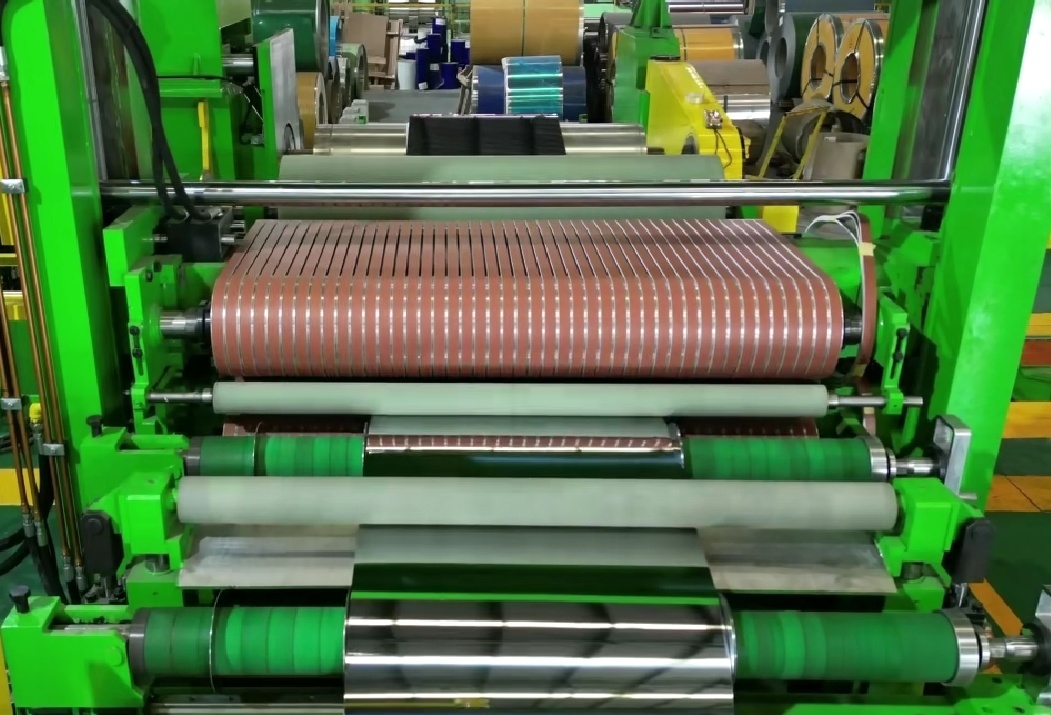
Why Heavy Duty Coil Slitters are Essential for Modern Manufacturing
Table of Contents
- Introduction to Heavy Duty Coil Slitters
- Understanding the Mechanism of Coil Slitting
- Key Benefits of Heavy Duty Coil Slitters
- Applications in Various Industries
- Choosing the Right Coil Slitter for Your Needs
- Maintenance and Best Practices for Heavy Duty Coil Slitters
- Future Trends in Coil Slitting Technology
- FAQs about Heavy Duty Coil Slitters
- Conclusion
Introduction to Heavy Duty Coil Slitters
In today's competitive manufacturing landscape, efficiency and precision are paramount. **Heavy duty coil slitters** play a crucial role in achieving these goals, particularly in the **metal processing industry**. These machines are designed to cut large rolls of material, known as coils, into narrower strips with remarkable accuracy. As manufacturers strive for higher productivity and lower operational costs, understanding the essential role of coil slitters becomes imperative.
Understanding the Mechanism of Coil Slitting
At its core, the **coil slitting process** involves unwinding a coil of metal, feeding it through a series of rotating blades, and cutting it into specified widths. This method allows for the efficient processing of various materials, including steel, aluminum, and copper.
The Components of a Heavy Duty Coil Slitter
The functionality of a coil slitter hinges on several critical components:
- **Slitting Blades**: Crafted from high-quality materials, these blades are engineered for durability and precision.
- **Uncoiler**: This component unwinds the coil, ensuring a smooth feeding process into the slitting mechanism.
- **Recoiler**: After the slitting process, this unit rewinds the finished strips onto new coils.
- **Control System**: Advanced control systems allow for precise adjustments, ensuring optimal performance and quality control.
How the Slitting Process Works
The slitting process begins with **uncoiling** the metal coil. The material then passes through the slitting blades, which cut it into desired widths. After slitting, the strips are recoiled for easy handling and transport. This process is not only efficient but also minimizes material loss, making it economically viable for manufacturers.
Key Benefits of Heavy Duty Coil Slitters
The incorporation of heavy duty coil slitters in manufacturing processes brings numerous advantages that contribute to enhanced productivity and efficiency.
Increased Efficiency and Speed
Heavy duty coil slitters are designed to operate at high speeds, allowing manufacturers to process large volumes of material quickly. This **time efficiency** is crucial in meeting production deadlines and fulfilling customer demands.
Precision Cutting
With advanced technology, these machines ensure precise cutting, reducing the risk of errors that could lead to material waste. Accurate measurements are critical in metal processing, as even minor inaccuracies can result in significant costs.
Cost-Effectiveness
By maximizing material utilization and minimizing waste, heavy duty coil slitters help manufacturers reduce operational costs. The initial investment in these machines is often offset by the long-term savings achieved through increased efficiency and reduced waste.
Versatility in Material Handling
Heavy duty coil slitters can process a variety of materials, making them versatile tools in the manufacturing sector. Whether it's stainless steel, aluminum, or other metals, these machines can handle different weights and thicknesses with ease.
Applications in Various Industries
Heavy duty coil slitters find applications across multiple sectors, reflecting their importance in modern manufacturing.
Automotive Industry
In the automotive sector, coil slitters are used to produce components such as frame parts, body panels, and other critical elements. The need for precision in this industry makes coil slitters indispensable.
Construction and Architecture
The construction industry utilizes coil slitters for producing metal sheets, beams, and other structural components. The efficiency of these machines supports the demand for timely project completions.
Aerospace Industry
In aerospace manufacturing, the lightweight and high-strength materials processed by coil slitters are essential. These components must meet stringent safety and performance standards, making accurate cutting vital.
Electrical Equipment Manufacturing
Electrical components often require precise metal strips for wiring and structural purposes. Coil slitters enable manufacturers to meet the specific width and thickness requirements essential for these products.
Choosing the Right Coil Slitter for Your Needs
Selecting the appropriate heavy duty coil slitter involves several considerations to ensure optimal performance.
Material Specifications
Understanding the types of materials you plan to process is crucial. Consider the thickness, weight, and composition of the coils to select a slitter capable of handling these specifications.
Production Volume
Evaluate your production needs. A higher volume may necessitate a more advanced slitter with capabilities for continuous operation, while lower volume applications may require a more basic model.
Technology and Automation
Modern coil slitters come equipped with advanced technology, including automation features that enhance efficiency. Evaluate the technological features that align with your production goals.
Space and Budget Constraints
Consider the available space in your facility and your budget. Heavy duty coil slitters can vary significantly in size and cost, so it’s essential to find a balance that meets your operational needs without exceeding your budget.
Maintenance and Best Practices for Heavy Duty Coil Slitters
Proper maintenance of heavy duty coil slitters is vital for ensuring longevity and optimal performance.
Regular Inspections
Conducting regular inspections of the slitting blades and other components can help identify potential issues before they escalate. This proactive approach minimizes downtime and maintenance costs.
Blade Maintenance and Replacement
Keeping the slitting blades sharp is essential for precision cutting. Regular sharpening and timely replacement of worn blades contribute to the overall efficiency and accuracy of the slitting process.
Cleaning and Lubrication
Regular cleaning of the machine and proper lubrication of moving parts are crucial for maintaining optimal performance. Dust and debris can affect the operation, leading to increased wear and tear.
Staff Training
Well-trained operators are essential for the efficient operation of coil slitters. Regular training sessions ensure that staff are familiar with the latest operational techniques and safety protocols.
Future Trends in Coil Slitting Technology
As technology continues to advance, the future of coil slitting is promising, with several emerging trends expected to shape the industry.
Automation and AI Integration
The integration of artificial intelligence and automation in coil slitters is expected to enhance efficiency and precision. These advancements could lead to fully automated slitting processes, minimizing human error.
Energy Efficiency Improvements
Manufacturers are increasingly focusing on sustainability. Future coil slitters may incorporate energy-efficient technologies that reduce power consumption and carbon footprints.
Enhanced Material Handling Systems
Future designs might include advanced material handling systems that streamline the uncoiling and recoiling processes, further enhancing operational efficiency.
Smart Technologies for Predictive Maintenance
The use of smart technologies for predictive maintenance can help manufacturers anticipate potential issues and schedule maintenance proactively, reducing unexpected downtime.
FAQs about Heavy Duty Coil Slitters
1. What are the main materials processed by heavy duty coil slitters?
Heavy duty coil slitters primarily process metals such as steel, aluminum, copper, and other alloys.
2. How do I know if my business needs a heavy duty coil slitter?
If your operations involve processing large coils of metal into narrower strips, a heavy duty coil slitter can significantly enhance efficiency and precision.
3. What factors should I consider when purchasing a coil slitter?
Consider factors such as material specifications, production volume, technology, space, and budget when selecting a coil slitter.
4. How often should I maintain my coil slitter?
Regular maintenance should be scheduled based on usage; typically, a thorough inspection and maintenance should occur at least once every few months.
5. What are the common issues faced with coil slitters?
Common issues include blade wear, misalignment, and mechanical failures. Regular maintenance can help mitigate many of these problems.
Conclusion
Heavy duty coil slitters are a fundamental component of modern manufacturing, particularly in sectors that require precision and efficiency in metal processing. As industries evolve, the implementation of advanced coil slitting technology will continue to enhance productivity, reduce costs, and improve quality across various applications. By understanding their importance and keeping abreast of developments in coil slitting technology, manufacturers can secure a competitive edge in today's fast-paced market. Embracing these machines not only streamlines operations but also positions companies for future growth in the manufacturing landscape.
PREVIOUS:
Recent News
Contact LMS
Contact Us
Fax:
+86-20-87319225
Tel:
E-mail:
E-mail:
Address:
20AB Zhongqiao Building,Guangzhou, China,510000
Request Quote
If you have found your desired products, please feel free to contact, we are here for you 24/7.
Contact
LMS -- Metal Coil Slitting Line Manufacturer
info@slittinglinelms.com
20AB Zhongqiao Building,Guangzhou, China,510000
Other links
Legal Disclaimer
Privacy Policy
Cookie policy
Quik Links