



news
Understanding the Benefits of Slitter Rewinders in Metal Manufacturing
Jun 03,2026
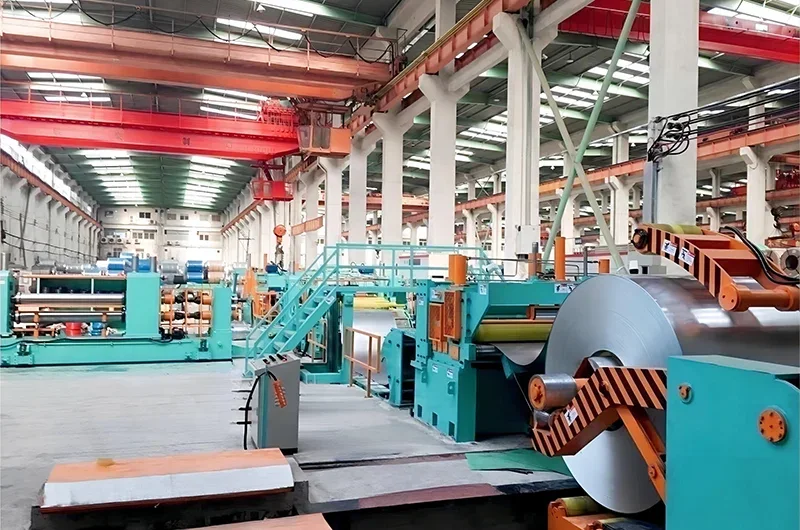
Understanding the Benefits of Slitter Rewinders in Metal Manufacturing
In the dynamic world of metal manufacturing, efficiency and precision are crucial. Among the cutting-edge technologies that have significantly transformed the industry is the slitter rewinder. This essential machinery plays a pivotal role in processing metal materials, and understanding its benefits can help manufacturers optimize their operations.
This comprehensive guide delves into the nuances of slitter rewinders, exploring their functionalities, applications, and the myriad advantages they offer in metal processing.
Table of Contents
1. Introduction to Slitter Rewinders
2. How Slitter Rewinders Work
3. Key Features of Slitter Rewinders
3.1 Precision Cutting Mechanism
3.2 Versatile Material Handling
3.3 Automatic Tension Control
4. Applications of Slitter Rewinders in Metal Manufacturing
4.1 Thin Film Processing
4.2 Coil Processing
5. Advantages of Using Slitter Rewinders
5.1 Enhanced Efficiency and Productivity
5.2 Waste Reduction and Cost Savings
5.3 Improved Product Quality
6. Selecting the Right Slitter Rewinder for Your Operation
7. Maintenance Tips for Slitter Rewinders
8. Frequently Asked Questions (FAQs)
9. Conclusion
1. Introduction to Slitter Rewinders
Slitter rewinders are specialized machines designed to cut and rewind large rolls of metal into smaller, more manageable sizes. They are essential in a variety of industries, including packaging, textiles, and, prominently, metal manufacturing. The ability to convert large parent rolls into specified widths and lengths facilitates further processing, storage, and shipping.
2. How Slitter Rewinders Work
The operation of slitter rewinders involves several critical steps. Initially, a large roll of metal, known as a master roll, is fed into the machine. The slitter rewinder then utilizes sharp blades to slice the material into desired widths. After cutting, the individual strips are rewound onto smaller cores, resulting in neatly wound rolls ready for subsequent applications.
The precision of the cutting process is paramount, as even slight inaccuracies can lead to significant inefficiencies and waste. Advanced slitter rewinders incorporate computer numerical control (CNC) technology, allowing for precise adjustments and automated operations.
3. Key Features of Slitter Rewinders
Understanding the essential features of slitter rewinders can significantly impact their effectiveness in your manufacturing process.
3.1 Precision Cutting Mechanism
At the heart of every slitter rewinder is its cutting mechanism. This mechanism is designed to deliver precise cuts with minimal tolerance levels, ensuring that the resulting strips meet product specifications. The high-quality blades and their precise alignment are crucial for maintaining cutting accuracy.
3.2 Versatile Material Handling
Modern slitter rewinders are engineered to handle various materials, from thin foils to thicker strips. This versatility is vital for manufacturers who work with different metal types, allowing them to adapt quickly to changing production needs without significant downtime.
3.3 Automatic Tension Control
Maintaining the correct tension during the slitting process is critical for achieving uniform cuts and preventing defects. Advanced slitter rewinders come equipped with automatic tension control systems, which adjust the pressure based on the material’s characteristics. This feature ensures optimal performance and reduces the risk of material damage.
4. Applications of Slitter Rewinders in Metal Manufacturing
Slitter rewinders have a wide range of applications in metal manufacturing, serving various sectors that require precision and efficiency.
4.1 Thin Film Processing
In industries where thin metal films are used, slitter rewinders are invaluable for cutting and processing these delicate materials. The precision of slitter rewinders ensures that the final product meets stringent quality standards, essential for electronics, aerospace, and automotive applications.
4.2 Coil Processing
For manufacturers dealing in coil processing, slitter rewinders facilitate the quick transformation of large coils into smaller, usable formats. This capability is crucial for industries such as construction and automotive, where specific metal dimensions are needed for further processing.
5. Advantages of Using Slitter Rewinders
Utilizing slitter rewinders can yield numerous benefits for metal manufacturing companies, enhancing overall productivity and profitability.
5.1 Enhanced Efficiency and Productivity
By automating the slitting process, manufacturers can significantly increase their output. Slitter rewinders operate at high speeds, allowing for rapid processing of materials, which minimizes operational delays and boosts production rates.
5.2 Waste Reduction and Cost Savings
The precision cutting capabilities of slitter rewinders reduce material waste, as they are designed to optimize the use of every inch of metal. This reduction in waste translates to direct cost savings, making the investment in slitter rewinder technology financially beneficial.
5.3 Improved Product Quality
Consistent quality is vital in manufacturing. Slitter rewinders ensure uniformity in width and thickness, leading to higher-quality end products. The reduced risk of defects means fewer reworks and returns, enhancing customer satisfaction and loyalty.
6. Selecting the Right Slitter Rewinder for Your Operation
Choosing the appropriate slitter rewinder involves considering several factors tailored to your specific requirements. Some key aspects include:
- **Material Type**: Determine the types of metal you will be processing to ensure compatibility with the slitter rewinder.
- **Width and Thickness Requirements**: Assess the range of widths and thicknesses you require for your finished products.
- **Production Volume**: Evaluate the expected production volume to select a machine that can meet your output needs.
Consulting with manufacturers or industry experts can provide valuable insights into selecting the best slitter rewinder for your operations.
7. Maintenance Tips for Slitter Rewinders
Regular maintenance is crucial for ensuring the longevity and performance of slitter rewinders. Here are some essential maintenance tips:
- **Routine Inspections**: Conduct regular inspections of the blades and tension control systems to identify any wear and tear that may affect performance.
- **Lubrication**: Keep all moving parts well-lubricated to prevent friction and overheating.
- **Cleaning**: Ensure that the machine is clean and free from debris, which can interfere with operations and affect product quality.
Implementing a preventive maintenance schedule can significantly extend the lifespan of your slitter rewinder and enhance its efficiency.
8. Frequently Asked Questions (FAQs)
What materials can slitter rewinders process?
Slitter rewinders can process a variety of materials, including aluminum, stainless steel, copper, and thin metal films, accommodating different thicknesses and widths.
How does a slitter rewinder differ from a conventional slitting machine?
While conventional slitting machines focus primarily on cutting, slitter rewinders also perform the rewinding process, making them more versatile for handling and preparing materials for storage or further processing.
What factors affect the cost of a slitter rewinder?
Factors influencing the cost include the machine's size, the technology used (manual vs. automated), and its cutting capabilities. Custom features can also impact pricing.
How often should slitter rewinders be maintained?
It is advisable to follow a routine maintenance schedule, typically every few months, or as per the manufacturer's guidelines to ensure optimal performance.
Can slitter rewinders be integrated into existing production lines?
Yes, most modern slitter rewinders can be easily integrated into existing production lines, allowing for seamless transitions and improved workflow.
9. Conclusion
The role of slitter rewinders in metal manufacturing cannot be overstated. Their ability to enhance efficiency, reduce waste, and improve product quality makes them indispensable tools in the industry. By investing in advanced slitter rewinder technology, manufacturers can not only streamline their operations but also position themselves for future growth in an increasingly competitive market. Understanding the benefits and applications of these machines enables manufacturers to make informed decisions, ultimately leading to higher productivity and profitability.
By staying updated on maintenance practices and selecting the right equipment, companies can ensure their slitter rewinders continue to deliver exceptional performance and reliability, cementing their place as pivotal assets in the metal manufacturing landscape.
PREVIOUS:
Recent News
Contact LMS
Contact Us
Fax:
+86-20-87319225
Tel:
E-mail:
E-mail:
Address:
20AB Zhongqiao Building,Guangzhou, China,510000
Request Quote
If you have found your desired products, please feel free to contact, we are here for you 24/7.
Contact
LMS is a metal coil slitting line manufacturer
info@slittinglinelms.com
20AB Zhongqiao Building,Guangzhou, China,510000
Other links
Legal Disclaimer
Privacy Policy
Cookie policy
Quik Links