



news
Understanding the Role of Slitter Rewinders for Metal Coils in Manufacturing
May 13,2026
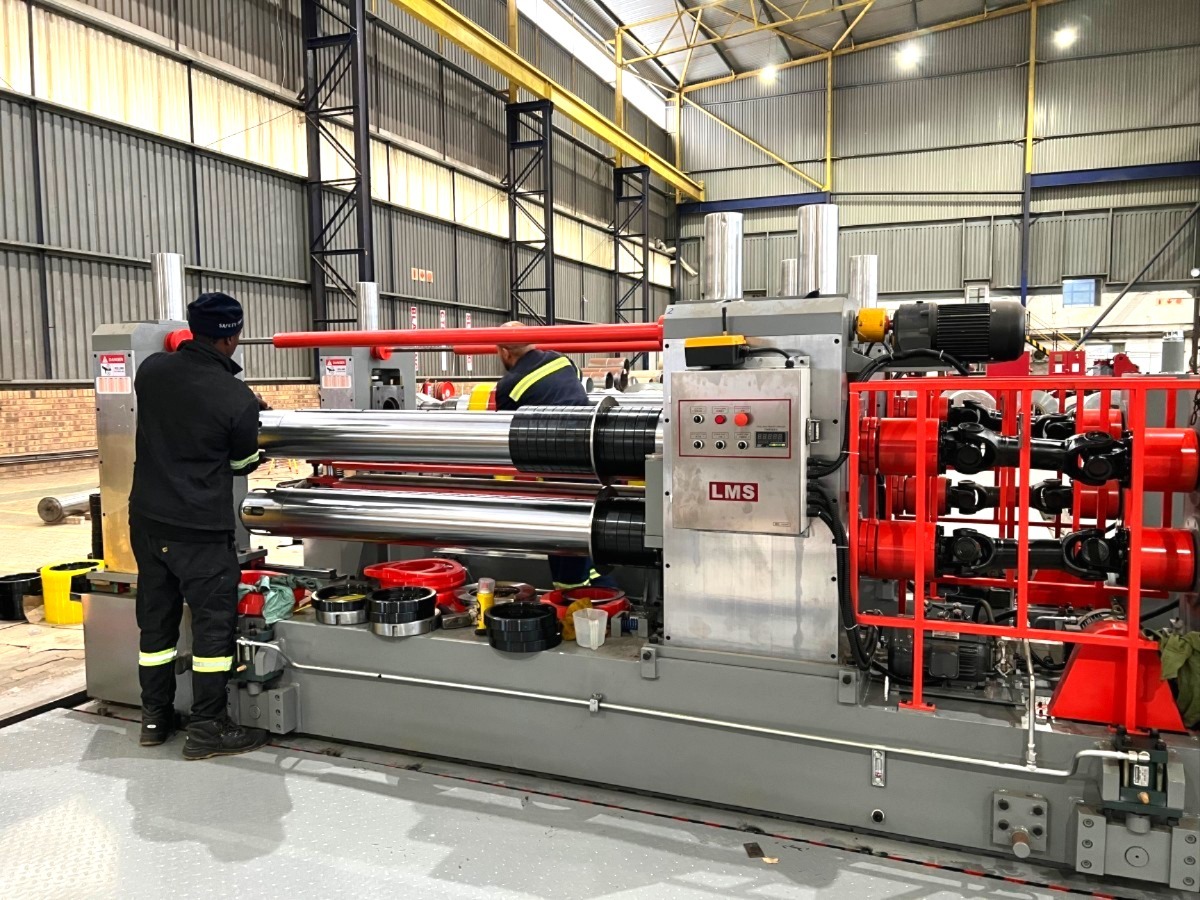
In the metal processing industry, slitter rewinders play a crucial role in the conversion of large metal coils into manageable and precise widths. These machines are designed to cut, trim, and rewind metal sheets or coils, providing manufacturers with the flexibility to produce customized products that meet varying specifications. Understanding the function and advantages of slitter rewinders can significantly enhance efficiency and output in manufacturing processes.
A slitter rewinder for metal coils typically operates by feeding a large coil of metal into the machine, where it is then cut into narrower strips based on predetermined measurements. This process not only saves time but also reduces material waste, as manufacturers can tailor the size of each coil to specific customer demands. The ability to produce smaller widths allows for greater versatility in the types of metal products offered, catering to industries ranging from automotive to construction.
One of the key advantages of utilizing a slitter rewinder is the improved precision it provides. Advanced models are equipped with technology that ensures consistent cutting accuracy, thereby minimizing errors that could lead to costly reworks or rejects. Additionally, the integration of automation features in modern slitter rewinders enhances operational efficiency, allowing for quicker setup times and reduced labor costs.
When selecting a slitter rewinder for metal coils, manufacturers should consider several technical aspects, including the machine’s cutting speed, maximum coil diameter, and the range of material thickness it can handle. It is also essential to assess the machine's adaptability to different materials, as metal processing often involves varying grades and properties of metal. Manufacturers should look for suppliers who offer comprehensive technical support and expertise, ensuring seamless integration and operation within existing workflows.
Furthermore, maintenance is a critical aspect of ensuring the longevity and optimal performance of slitter rewinders. Regular inspections and timely servicing can prevent unexpected downtimes, which can be detrimental in a competitive manufacturing environment. Suppliers who provide detailed maintenance guidelines and training for operators can significantly enhance a manufacturer’s operational sustainability.
In conclusion, slitter rewinders for metal coils are vital machines that enhance productivity and precision in metal processing. By understanding their functionality and the factors influencing their performance, manufacturers can make informed decisions when selecting equipment and suppliers, ultimately driving efficiency and profitability in their operations.
A slitter rewinder for metal coils typically operates by feeding a large coil of metal into the machine, where it is then cut into narrower strips based on predetermined measurements. This process not only saves time but also reduces material waste, as manufacturers can tailor the size of each coil to specific customer demands. The ability to produce smaller widths allows for greater versatility in the types of metal products offered, catering to industries ranging from automotive to construction.
One of the key advantages of utilizing a slitter rewinder is the improved precision it provides. Advanced models are equipped with technology that ensures consistent cutting accuracy, thereby minimizing errors that could lead to costly reworks or rejects. Additionally, the integration of automation features in modern slitter rewinders enhances operational efficiency, allowing for quicker setup times and reduced labor costs.
When selecting a slitter rewinder for metal coils, manufacturers should consider several technical aspects, including the machine’s cutting speed, maximum coil diameter, and the range of material thickness it can handle. It is also essential to assess the machine's adaptability to different materials, as metal processing often involves varying grades and properties of metal. Manufacturers should look for suppliers who offer comprehensive technical support and expertise, ensuring seamless integration and operation within existing workflows.
Furthermore, maintenance is a critical aspect of ensuring the longevity and optimal performance of slitter rewinders. Regular inspections and timely servicing can prevent unexpected downtimes, which can be detrimental in a competitive manufacturing environment. Suppliers who provide detailed maintenance guidelines and training for operators can significantly enhance a manufacturer’s operational sustainability.
In conclusion, slitter rewinders for metal coils are vital machines that enhance productivity and precision in metal processing. By understanding their functionality and the factors influencing their performance, manufacturers can make informed decisions when selecting equipment and suppliers, ultimately driving efficiency and profitability in their operations.
Recent News
Contact LMS
Contact Us
Fax:
+86-20-87319225
Tel:
E-mail:
E-mail:
Address:
20AB Zhongqiao Building,Guangzhou, China,510000
Request Quote
If you have found your desired products, please feel free to contact, we are here for you 24/7.