



news
A Complete Guide to Heavy Duty Coil Slitter Maintenance for Optimal Performance
Apr 24,2026
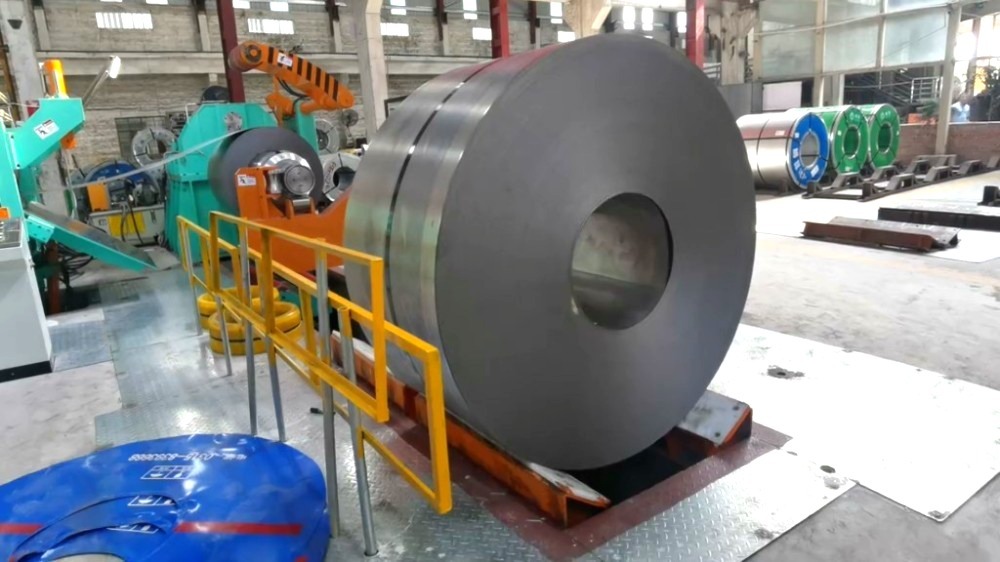
A Complete Guide to Heavy Duty Coil Slitter Maintenance
Introduction: Understanding Heavy Duty Coil Slitters
Heavy duty coil slitters are crucial in the metal processing industry, allowing manufacturers to cut large coils of metal into narrower strips. These machines are indispensable for producing components for various applications, from automotive parts to structural materials. However, like any industrial machinery, coil slitters require **regular maintenance** to operate efficiently and prevent costly downtime.
In this guide, we will cover a comprehensive approach to maintaining heavy-duty coil slitters, ensuring they remain in peak condition. By following these best practices, companies can extend the lifespan of their equipment and enhance production efficiency.
Table of Contents
1. Importance of Regular Maintenance
2. Components of a Heavy Duty Coil Slitter
3. Routine Maintenance Procedures
3.1 Daily Checks
3.2 Weekly Maintenance Tasks
3.3 Monthly Inspections
4. Troubleshooting Common Issues
4.1 Unusual Noises and Vibrations
4.2 Inconsistent Cutting Quality
4.3 Motor Overheating
5. Lubrication: Key to Longevity
6. Upgrading and Replacing Parts
7. Training Your Staff for Optimal Maintenance
8. Conclusion
9. FAQs
1. Importance of Regular Maintenance
Regular maintenance of heavy-duty coil slitters is pivotal to ensuring machinery operates at optimal efficiency. Routine checks can help identify potential issues before they escalate, reducing the risk of unexpected breakdowns. Moreover, consistent maintenance practices enhance the **safety** of operators and the overall performance of the equipment.
Investing time and resources in maintenance can lead to significant cost savings in the long run. By preventing downtime and extending the lifespan of machines, manufacturers can achieve higher productivity and return on investment.
2. Components of a Heavy Duty Coil Slitter
To understand how to maintain a heavy-duty coil slitter effectively, it is essential to familiarize oneself with its key components:
- **Slitting Blades**: These are critical for achieving precise cuts and require regular inspection for wear and tear.
- **Drive System**: Comprising motors, gears, and pulleys, this system powers the slitter and necessitates routine checks to ensure smooth operation.
- **Feeding Mechanism**: This element guides the coil through the slitting process and must be free from obstructions.
- **Control Panel**: The interface for operators, this panel should be regularly tested for functionality to ensure safe operation.
- **Frame and Structure**: The overall integrity of the slitter must be inspected to prevent misalignments that could affect performance.
Understanding these components allows for targeted maintenance practices, ensuring no part is overlooked.
3. Routine Maintenance Procedures
Routine maintenance involves a series of checks and tasks designed to keep the machinery in top condition. Here we detail the necessary procedures for daily, weekly, and monthly maintenance.
3.1 Daily Checks
Daily maintenance is crucial for immediate operational efficiency. Key tasks include:
- Inspecting the slitting blades for chips or signs of wear.
- Checking the alignment of the feeding mechanism and adjusting as necessary.
- Ensuring the control panel is functional with all indicators operational.
- Cleaning any debris or metal shavings from around the machine.
3.2 Weekly Maintenance Tasks
Weekly tasks should build on daily checks and include:
- Lubricating moving parts to prevent mechanical wear.
- Tightening any loose screws or connections to avoid operational disruptions.
- Inspecting electrical connections for signs of wear or damage.
3.3 Monthly Inspections
Monthly inspections are more comprehensive and involve:
- A detailed examination of the drive system, looking for signs of wear.
- Evaluating the condition of the slitting blades and replacing them if necessary.
- Conducting a thorough cleaning of the entire machine to prevent rust or corrosion.
4. Troubleshooting Common Issues
Even with diligent maintenance, issues may arise. Here we address some common problems and their solutions.
4.1 Unusual Noises and Vibrations
If a coil slitter produces strange noises or excessive vibrations, it could indicate misalignment or worn-out components. Begin by checking the slitting blades and tightening any loose parts. If the issue persists, it may be necessary to consult a technician.
4.2 Inconsistent Cutting Quality
Inconsistent cuts can be frustrating and impact production quality. This issue may stem from dull blades or improper alignment of the feeding mechanism. Regular checks and timely blade replacements are essential to maintaining cutting precision.
4.3 Motor Overheating
Motor overheating can result from overload or insufficient lubrication. Ensure the motor is not working beyond its capacity and check for adequate lubrication of moving parts. If overheating continues, it may require professional assessment.
5. Lubrication: Key to Longevity
Proper lubrication is vital for the smooth operation of heavy-duty coil slitters. It reduces friction between moving parts, preventing wear and tear. Establish a lubrication schedule that aligns with your maintenance routine and use appropriate lubricants for different components to maximize effectiveness.
6. Upgrading and Replacing Parts
As coil slitters age, certain components may require upgrading or replacement to maintain efficiency. Regularly assess the condition of parts like slitting blades and motors. Investing in high-quality replacements can enhance performance and prolong the machine's lifespan.
7. Training Your Staff for Optimal Maintenance
An informed and trained staff is key to successful maintenance practices. Provide comprehensive training on machine operation and maintenance procedures. Regular workshops can reinforce best practices and ensure the team is equipped to handle minor issues independently.
8. Conclusion
Maintaining heavy-duty coil slitters is not merely a task but an essential practice for ensuring operational efficiency and longevity. By adhering to a structured maintenance schedule, troubleshooting issues promptly, and investing in staff training, manufacturers can substantially improve productivity and reduce downtime. A proactive approach to maintenance safeguards the integrity of the machinery and ultimately contributes to the success of metal processing operations.
9. FAQs
What is the average lifespan of a heavy-duty coil slitter?
With proper maintenance, a heavy-duty coil slitter can last anywhere from 10 to 20 years, depending on usage and care.
How often should slitting blades be replaced?
Slitting blades should be inspected regularly and replaced when they show signs of dullness or damage. This usually happens after several hundred hours of operation, but it can vary.
Can I perform maintenance on a coil slitter myself?
Yes, basic maintenance tasks can often be performed by trained staff. However, major repairs should be handled by qualified technicians to ensure safety and compliance.
What signs indicate that a coil slitter needs expert repair?
Signs include persistent unusual noises, frequent overheating, and repeated issues with cutting quality despite maintenance efforts.
Are there specific lubricants recommended for coil slitters?
Always refer to the manufacturer's guidelines for recommended lubricants. Typically, high-grade synthetic oils are preferred for their durability and performance.
Recent News
Contact LMS
Contact Us
Fax:
+86-20-87319225
Tel:
E-mail:
E-mail:
Address:
20AB Zhongqiao Building,Guangzhou, China,510000
Request Quote
If you have found your desired products, please feel free to contact, we are here for you 24/7.
Contact
LMS is a metal coil slitting line manufacturer
info@slittinglinelms.com
20AB Zhongqiao Building,Guangzhou, China,510000
Other links
Legal Disclaimer
Privacy Policy
Cookie policy
Quik Links