



news
Maximize Your Metal Processing with Cut-to-Length Decoilers: Unlocking Efficiency and Precision in Manufacturing
May 14,2026
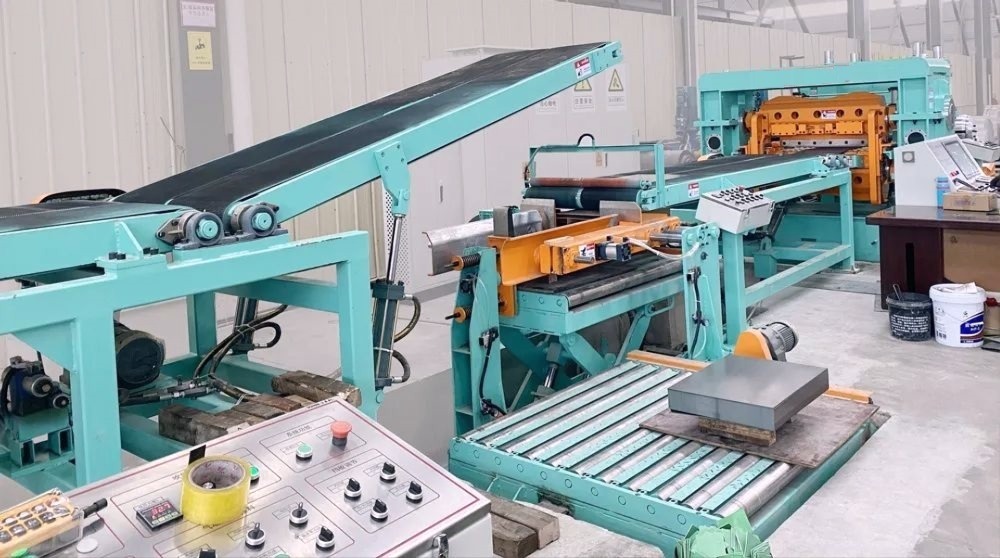
Maximize Your Metal Processing with Cut-to-Length Decoilers
In today's competitive manufacturing landscape, efficiency and precision are paramount. Manufacturers are continually seeking innovative solutions to streamline operations, reduce waste, and improve productivity. One such solution is the use of cut-to-length decoilers, a vital piece of equipment in metal processing. In this article, we will explore how cut-to-length decoilers can maximize your metal processing capabilities, the advantages they offer, and essential considerations for effective implementation.
Table of Contents
- 1. Understanding Cut-to-Length Decoilers
- 2. Benefits of Using Cut-to-Length Decoilers
- 3. How Cut-to-Length Decoilers Work
- 4. Applications of Cut-to-Length Decoilers in Metal Processing
- 5. Key Features to Consider When Choosing a Cut-to-Length Decoiler
- 6. Best Practices for Implementing Cut-to-Length Decoilers
- 7. Case Studies and Success Stories
- 8. Frequently Asked Questions
- 9. Conclusion
1. Understanding Cut-to-Length Decoilers
Cut-to-length decoilers are specialized machines designed to unwind metal coils into predetermined lengths. These machines play a crucial role in the metal processing industry, allowing manufacturers to convert large coils of material into manageable pieces that can be further processed or assembled. The precision and efficiency with which cut-to-length decoilers operate significantly impact the overall productivity of manufacturing processes.
2. Benefits of Using Cut-to-Length Decoilers
Investing in cut-to-length decoilers offers numerous advantages that can enhance your manufacturing operations:
2.1 Enhanced Efficiency
Cut-to-length decoilers streamline the production process by automating the unwinding and cutting of metal coils. This automation reduces the time spent on manual tasks and helps prevent errors, leading to improved overall efficiency.
2.2 Reduced Waste
By precisely cutting metal to the required lengths, cut-to-length decoilers minimize material waste. This not only saves costs but also promotes sustainable manufacturing practices, making it a win-win for businesses and the environment.
2.3 Improved Quality Control
Cut-to-length decoilers ensure consistent measurements and quality across all pieces produced. This consistency is vital for maintaining high-quality standards in manufacturing, especially in industries where precision is critical.
2.4 Versatility
These machines can handle a variety of materials, including steel, aluminum, and copper, making them adaptable to different manufacturing needs. They can also be customized to meet specific production requirements, further enhancing their versatility.
3. How Cut-to-Length Decoilers Work
Understanding the operational mechanics of cut-to-length decoilers is essential for maximizing their benefits. The process typically involves the following steps:
3.1 Unwinding the Coil
The decoiler unwinds the metal coil, feeding it into the machine. This unwinding process is facilitated by a series of rollers that guide the material smoothly.
3.2 Measuring and Cutting
Once the coil is unwound, the machine measures the length of the metal strip. Upon reaching the predetermined length, an automatic cutting mechanism swiftly cuts the material. This process is highly accurate, ensuring that each piece meets the required specifications.
3.3 Stacking and Packaging
After cutting, the individual pieces are stacked or packaged for further processing or shipment. Some cut-to-length decoilers are equipped with features to automate this part of the process as well, further enhancing efficiency.
4. Applications of Cut-to-Length Decoilers in Metal Processing
Cut-to-length decoilers are widely used across various sectors within the metal processing industry:
4.1 Automotive Manufacturing
In the automotive industry, precision components are crucial. Cut-to-length decoilers provide the necessary accuracy for producing parts that meet strict industry standards.
4.2 Aerospace Engineering
Aerospace applications require the highest levels of precision and quality. These decoilers help manufacturers produce components with exact specifications, ensuring safety and performance.
4.3 Construction
In construction, metal components must be cut to precise dimensions for structural integrity. Cut-to-length decoilers facilitate the efficient production of these components.
4.4 Electrical and Electronics
Manufacturers in the electrical and electronics sectors rely on cut-to-length decoilers for producing metal parts used in various devices, ensuring high quality and consistency.
5. Key Features to Consider When Choosing a Cut-to-Length Decoiler
When selecting a cut-to-length decoiler, various features should be considered to ensure optimal performance:
5.1 Material Compatibility
Ensure the decoiler can handle the specific materials you work with, whether it’s steel, aluminum, or another metal.
5.2 Cutting Precision
Look for machines that offer high cutting precision to meet your manufacturing standards consistently.
5.3 Automation Capabilities
Automation features, such as automatic feeding and cutting, can significantly enhance productivity and reduce labor costs.
5.4 Adjustability
Choose a decoiler that allows for easy adjustments to accommodate different coil sizes and lengths.
5.5 Durability and Maintenance
Opt for models built with durable materials and components designed for easy maintenance to ensure longevity and reliable performance.
6. Best Practices for Implementing Cut-to-Length Decoilers
To maximize the benefits of cut-to-length decoilers, consider the following best practices:
6.1 Conduct a Needs Assessment
Before implementation, assess your production needs to determine the appropriate specifications and capabilities required from a decoiler.
6.2 Train Your Staff
Proper training for operators is essential to ensure efficient and safe operation. Invest in comprehensive training programs to enhance staff skills.
6.3 Regular Maintenance
Establish a routine maintenance schedule to prevent breakdowns and ensure the machine operates optimally at all times.
6.4 Monitor Performance
Continuously monitor the performance of the decoiler to identify areas for improvement and address any operational issues promptly.
6.5 Review and Optimize
Regularly review your production processes and optimize workflows to fully leverage the capabilities of your cut-to-length decoiler.
7. Case Studies and Success Stories
Many manufacturers have successfully integrated cut-to-length decoilers into their operations, yielding substantial benefits:
7.1 Case Study: Automotive Component Manufacturer
One automotive manufacturer reported a 30% increase in production efficiency after implementing a cut-to-length decoiler. The reduction in manual labor and material waste significantly improved their bottom line.
7.2 Success Story: Aerospace Parts Supplier
An aerospace parts supplier adopted a cut-to-length decoiler and achieved a 15% reduction in production time while maintaining high-quality standards, allowing them to meet increasing market demands.
8. Frequently Asked Questions
8.1 What materials can cut-to-length decoilers handle?
Cut-to-length decoilers can handle a variety of materials, including steel, aluminum, and copper, making them versatile for different manufacturing needs.
8.2 How do I maintain a cut-to-length decoiler?
Regular maintenance includes cleaning, lubrication, and inspection of components to ensure optimal performance and prevent breakdowns.
8.3 What is the typical lifespan of a cut-to-length decoiler?
The lifespan varies based on usage and maintenance but can last several years with proper care and servicing.
8.4 Can cut-to-length decoilers be customized?
Yes, many manufacturers offer customizable options to meet specific production requirements, including size, length, and automation features.
8.5 What is the cost of a cut-to-length decoiler?
The cost can vary widely based on features, size, and brand. It’s crucial to assess your needs and budget before making a purchase.
9. Conclusion
Cut-to-length decoilers represent a significant advancement in metal processing technology, offering manufacturers the ability to enhance efficiency, reduce waste, and maintain high-quality standards. By understanding their operations, benefits, and best practices for implementation, you can effectively integrate these machines into your manufacturing processes. Investing in cut-to-length decoilers not only streamlines production but also positions your business for success in an increasingly competitive industry. Embrace the future of metal processing and unlock the potential of cut-to-length decoilers today.
PREVIOUS:
Recent News
Contact LMS
Contact Us
Fax:
+86-20-87319225
Tel:
E-mail:
E-mail:
Address:
20AB Zhongqiao Building,Guangzhou, China,510000
Request Quote
If you have found your desired products, please feel free to contact, we are here for you 24/7.