



news
Common Problems with Metal Coil Slitting and Rewinding Machines and How to Solve Them
Mar 15,2026
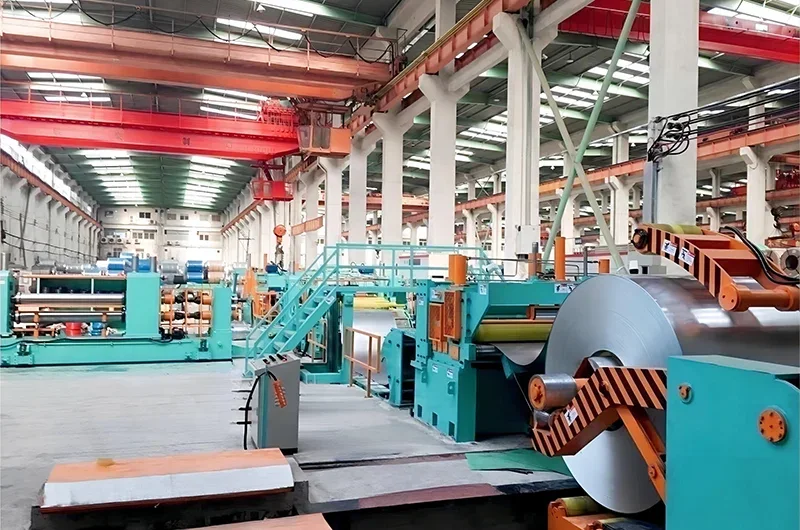
Common Problems with Metal Coil Slitting and Rewinding Machines and How to Solve Them
Metal coil slitting and rewinding machines are vital to the manufacturing industry, serving a critical role in the processing of metal coils into narrower strips that can be used for various applications. However, like any complex machinery, these machines can encounter several issues that may impede their performance and efficiency. In this article, we will explore some of the most common problems associated with metal coil slitting and rewinding machines and offer effective solutions to resolve them.
Table of Contents
1. Introduction to Metal Coil Slitting and Rewinding Machines
2. The Importance of Proper Maintenance
3. Common Problems Faced by Slitting Machines
3.1 Blade Misalignment
3.2 Inconsistent Slitting Tolerances
3.3 Coil Wrinkling
3.4 Excessive Wear and Tear
3.5 Electrical and Control System Issues
4. Troubleshooting Techniques for Common Problems
4.1 Correcting Blade Misalignment
4.2 Ensuring Consistent Slitting Tolerances
4.3 Preventing Coil Wrinkling
4.4 Managing Wear and Tear
4.5 Addressing Electrical and Control System Issues
5. Maintenance Tips for Longevity
6. Best Practices for Operating Slitting Machines
7. Conclusion
8. FAQs
1. Introduction to Metal Coil Slitting and Rewinding Machines
Metal coil slitting and rewinding machines are essential in various industrial sectors, including automotive, aerospace, and construction. These machines cut large rolls of metal into narrower widths, allowing for easy handling and further processing. Understanding the common problems associated with these machines is crucial for maintaining operational efficiency and minimizing downtime.
2. The Importance of Proper Maintenance
Regular maintenance is vital to ensure the longevity and optimal performance of slitting and rewinding machines. Neglecting maintenance can lead to increased wear and tear, resulting in costly repairs and production delays. By adhering to a systematic maintenance schedule, operators can identify potential issues before they escalate, ensuring smooth operations and high-quality output.
3. Common Problems Faced by Slitting Machines
Despite the sophisticated technology behind metal coil slitting and rewinding machines, they are not immune to problems. Here are some common issues operators may encounter:
3.1 Blade Misalignment
Blade misalignment is one of the most frequent problems faced in slitting operations. Misaligned blades can cause uneven cuts, leading to material wastage and subpar product quality.
3.2 Inconsistent Slitting Tolerances
Inconsistent slitting tolerances can result in variations in the width of the metal strips. This inconsistency can adversely affect downstream processes and product specifications.
3.3 Coil Wrinkling
Coil wrinkling occurs when the metal coils do not unwind smoothly, resulting in defects that affect product quality. Wrinkling can be caused by improper tension settings or mechanical issues within the machine.
3.4 Excessive Wear and Tear
Over time, components of slitting machines experience wear and tear due to continuous operation. This can lead to reduced performance and increased risk of breakdowns.
3.5 Electrical and Control System Issues
Malfunctions in electrical and control systems can cause disruptions in machine operation, affecting productivity and efficiency. Issues such as faulty wiring or sensor failures require immediate attention.
4. Troubleshooting Techniques for Common Problems
Now that we have identified some common problems, let’s discuss effective troubleshooting techniques for each issue.
4.1 Correcting Blade Misalignment
To correct blade misalignment, first, power down the machine. Then, use a dial indicator to check for alignment discrepancies. Adjust the blade position as necessary, ensuring it is parallel to the cutting surface. Finally, perform a test cut to verify that the issue has been resolved.
4.2 Ensuring Consistent Slitting Tolerances
To achieve consistent slitting tolerances, operators should regularly monitor the width of the strips produced. Adjust the blade settings and tension levels to maintain uniformity. Implementing a feedback loop that tracks thickness variations can help address issues before they affect production.
4.3 Preventing Coil Wrinkling
To prevent coil wrinkling, ensure that the coil tension is adequately set for the material being processed. Regularly inspect the payout and take-up rolls for proper operation, and adjust the unwinding mechanism to facilitate smooth feeding.
4.4 Managing Wear and Tear
To manage wear and tear, operators should conduct regular inspections of all moving parts. Replace worn components before they fail and keep a detailed log of maintenance activities to identify patterns that might indicate larger issues.
4.5 Addressing Electrical and Control System Issues
To resolve electrical and control system issues, conduct a thorough diagnostic check of the machine's electrical components. This includes inspecting wiring connections, testing sensors, and recalibrating control systems to ensure optimal functionality.
5. Maintenance Tips for Longevity
Proper maintenance extends the lifespan of metal coil slitting and rewinding machines. Here are some essential maintenance tips:
- **Regular Cleaning**: Keep the machine clean of debris and metal shavings to prevent malfunctions.
- **Lubrication**: Ensure that all moving parts are adequately lubricated according to the manufacturer’s specifications.
- **Routine Inspections**: Schedule regular inspections to assess the condition of blades, bearings, and other critical components.
- **Calibration Checks**: Periodically calibrate the machine to maintain accuracy and precision in slitting operations.
6. Best Practices for Operating Slitting Machines
To ensure optimal performance, operators should follow these best practices:
- **Training**: Provide comprehensive training for operators to ensure they understand the machine's operations and troubleshooting techniques.
- **Standard Operating Procedures (SOPs)**: Develop and adhere to SOPs for operating the machinery to minimize errors and inconsistencies.
- **Monitoring**: Implement monitoring systems to track machine performance and quickly identify potential issues.
7. Conclusion
Metal coil slitting and rewinding machines are integral components of the manufacturing process, but they are prone to various issues that can disrupt operations. By understanding common problems such as blade misalignment, inconsistent slitting tolerances, coil wrinkling, excessive wear and tear, and electrical malfunctions, operators can implement effective troubleshooting techniques. Adhering to regular maintenance schedules and best practices will not only enhance machine longevity but also improve overall efficiency and productivity in the manufacturing process.
8. FAQs
What is a metal coil slitting machine?
A metal coil slitting machine is a specialized piece of equipment used to cut large rolls of metal into narrower strips, facilitating further processing and use in various applications.
How often should I perform maintenance on my slitting machine?
It is advisable to perform maintenance checks at least once a month, with more frequent inspections for high-use machines. Regular cleaning and lubrication should be part of the daily routine.
What are the signs of blade misalignment?
Signs of blade misalignment include uneven cuts, increased material waste, and visible wear patterns on the blades. Regular checks with a dial indicator can help identify these issues early.
How can I prevent coil wrinkling during operations?
To prevent coil wrinkling, ensure that the coil tension is properly set and that the unwinding mechanism operates smoothly. Regular inspections of payout and take-up rolls can also help.
What should I do if my machine experiences an electrical failure?
If an electrical failure occurs, immediately power down the machine and conduct a thorough diagnostic check of the electrical components. Inspect wiring and sensors, and consult the machine's manual for troubleshooting guidance.
By addressing these common problems with practical solutions and adhering to maintenance best practices, manufacturers can enhance their operational efficiency and product quality, thereby gaining a competitive edge in the industry.
PREVIOUS:
Recent News
Contact LMS
Contact Us
Sales hotline:
WhatsApp:
E-mail:
Address:
20AB Zhongqiao Building,Guangzhou, China,510000
Request Quote
If you have found your desired products, please feel free to contact, we are here for you 24/7.