



news
Maximizing Efficiency with Heavy Duty Coil Slitters in Metal Processing
Mar 05,2026
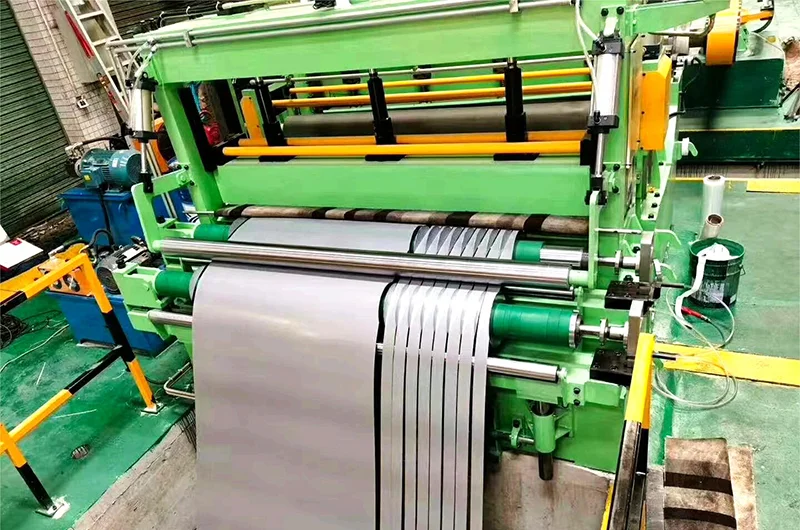
How Heavy Duty Coil Slitters Can Improve Your Metal Processing Efficiency
Table of Contents
1. Introduction to Heavy Duty Coil Slitters
2. The Importance of Efficiency in Metal Processing
3. Key Features of Heavy Duty Coil Slitters
3.1. Precision Cutting Technology
3.2. Flexibility and Versatility
3.3. High Production Rates
4. Benefits of Using Heavy Duty Coil Slitters
4.1. Enhanced Material Utilization
4.2. Reduced Waste Production
4.3. Improved Safety Measures
5. How to Choose the Right Heavy Duty Coil Slitter
5.1. Assessing Your Production Needs
5.2. Evaluating Machine Specifications
5.3. Considering Budget and ROI
6. Maintenance Tips for Heavy Duty Coil Slitters
7. Real-World Applications and Case Studies
8. Frequently Asked Questions (FAQs)
9. Conclusion
1. Introduction to Heavy Duty Coil Slitters
In the realm of metal processing, heavy duty coil slitters play a pivotal role in enhancing operational efficiency. These machines are specifically designed to cut large coils of metal into narrower strips with precision and consistency. By utilizing advanced technology and engineering, heavy duty coil slitters not only save time but also improve productivity across various metal fabrication industries.
2. The Importance of Efficiency in Metal Processing
Efficiency is crucial in metal processing due to the competitive nature of the industry. Manufacturers are continually seeking ways to minimize costs while maximizing output. Improved efficiency translates into faster production times, reduced labor costs, and higher profit margins. Heavy duty coil slitters contribute significantly to this efficiency by streamlining the cutting process, allowing for quicker turnaround times and better resource management.
3. Key Features of Heavy Duty Coil Slitters
Understanding the features of heavy duty coil slitters can help manufacturers appreciate their value in metal processing operations.
3.1. Precision Cutting Technology
Heavy duty coil slitters are equipped with precision cutting technology that ensures clean and accurate cuts. This capability reduces the margin of error and ensures that the finished products meet the required specifications.
3.2. Flexibility and Versatility
These machines can handle various types of materials, including steel, aluminum, and other alloys. This flexibility allows manufacturers to adapt to changing market demands without investing in multiple machines.
3.3. High Production Rates
Heavy duty coil slitters are designed for high-throughput operations. They can process large volumes of metal coils quickly, significantly increasing the overall production rate and reducing lead times.
4. Benefits of Using Heavy Duty Coil Slitters
The adoption of heavy duty coil slitters offers numerous benefits that can enhance the overall manufacturing process.
4.1. Enhanced Material Utilization
By providing precise cuts, these machines minimize waste and ensure that more of the raw material is transformed into usable products. This efficiency not only saves costs but also contributes to sustainable manufacturing practices.
4.2. Reduced Waste Production
Heavy duty coil slitters reduce scrap material, contributing to lower disposal costs and a greener operation. Less waste not only benefits the environment but also improves the bottom line of manufacturing operations.
4.3. Improved Safety Measures
Modern slitters come with advanced safety features, including emergency stop buttons and protective guards. These enhancements not only protect the equipment but also ensure the safety of the operators.
5. How to Choose the Right Heavy Duty Coil Slitter
Selecting the appropriate heavy duty coil slitter involves careful consideration of various factors.
5.1. Assessing Your Production Needs
Understanding your specific production requirements is crucial in choosing the right machine. Consider factors such as the types of materials you will be processing and the desired output rates.
5.2. Evaluating Machine Specifications
When comparing different models, pay attention to specifications like cutting width, speed, and material thickness capacity. These factors will determine how well the machine can meet your production goals.
5.3. Considering Budget and ROI
Evaluate your budget against the potential return on investment (ROI). While heavy duty coil slitters can represent a significant upfront cost, the long-term savings generated through increased efficiency and reduced waste can justify the expenditure.
6. Maintenance Tips for Heavy Duty Coil Slitters
To ensure optimal performance, regular maintenance of heavy duty coil slitters is essential. Here are some tips:
- **Routine Inspections**: Regularly check for wear and tear on blades and components to ensure the machine operates smoothly.
- **Lubrication**: Keep moving parts well-lubricated to minimize friction and prevent overheating during operation.
- **Cleaning**: Maintain a clean working environment around the machine to prevent dust and debris from interfering with operations.
7. Real-World Applications and Case Studies
Heavy duty coil slitters are utilized across various sectors, including automotive, aerospace, and construction. For instance, in the automotive industry, these machines help produce precise metal strips used in vehicle manufacturing, ensuring high-quality standards while reducing production time. Additionally, case studies have shown that companies incorporating heavy duty coil slitters have reported significant increases in productivity and quality control.
8. Frequently Asked Questions (FAQs)
**Q1: What types of materials can heavy duty coil slitters process?**
A1: Heavy duty coil slitters can handle a variety of materials, including steel, aluminum, copper, and other alloys.
**Q2: How do heavy duty coil slitters improve safety in manufacturing?**
A2: They come equipped with safety features such as emergency stops, guards, and automated controls to protect operators and minimize accidents.
**Q3: What is the typical maintenance schedule for a heavy duty coil slitter?**
A3: Regular maintenance generally includes daily checks, weekly lubrication, and monthly inspections of critical components.
**Q4: Can heavy duty coil slitters be customized for specific applications?**
A4: Yes, manufacturers often offer customization options to tailor machines to specific production needs and material types.
**Q5: How does investment in a heavy duty coil slitter impact overall production costs?**
A5: While the initial investment can be significant, the efficiency gains, reduced waste, and improved production rates often lead to lower overall costs in the long run.
9. Conclusion
In conclusion, heavy duty coil slitters serve as a vital tool in enhancing metal processing efficiency. By investing in these advanced machines, manufacturers can expect improved precision, reduced waste, and increased production rates. As the industry continues to evolve, the adoption of such technology will play a crucial role in maintaining competitiveness and ensuring sustainable practices within metal processing sectors. Embracing heavy duty coil slitters is a strategic move towards optimizing operations and boosting overall productivity in the manufacturing landscape.
PREVIOUS:
NEXT:
Recent News
Contact LMS
Contact Us
Sales hotline:
WhatsApp:
E-mail:
Address:
20AB Zhongqiao Building,Guangzhou, China,510000
Request Quote
If you have found your desired products, please feel free to contact, we are here for you 24/7.