



news
Common Faults and Maintenance Tips for Metal Coil Slitting Lines
Mar 05,2026

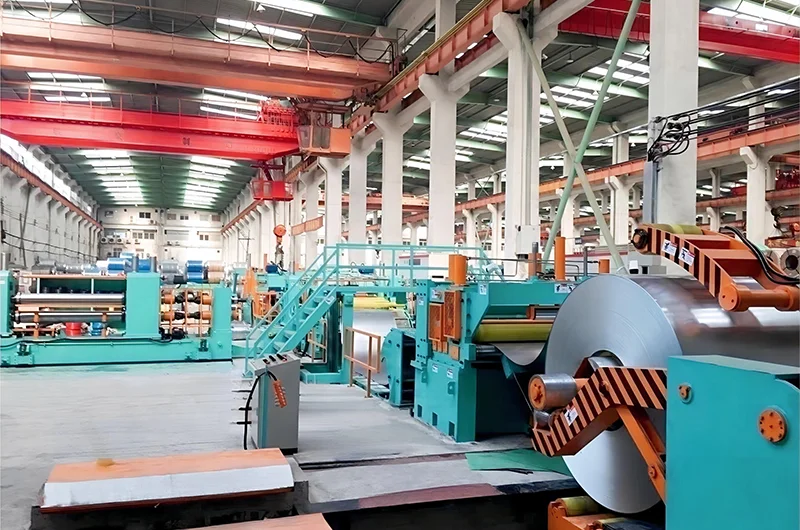
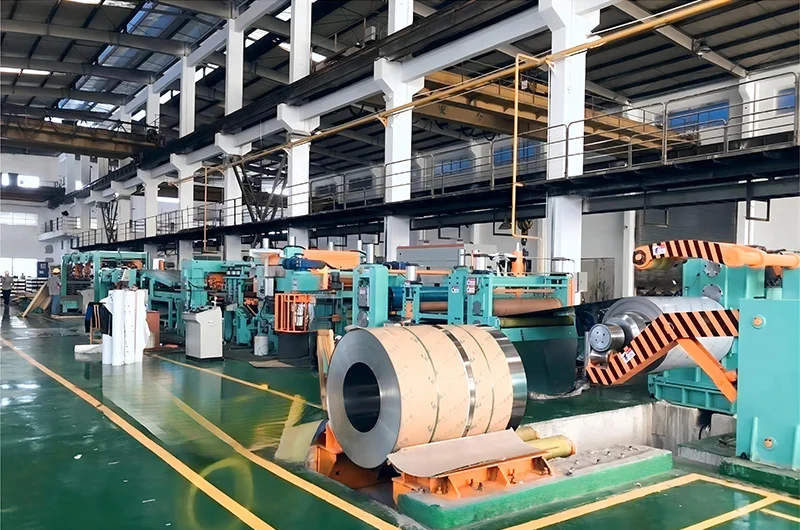
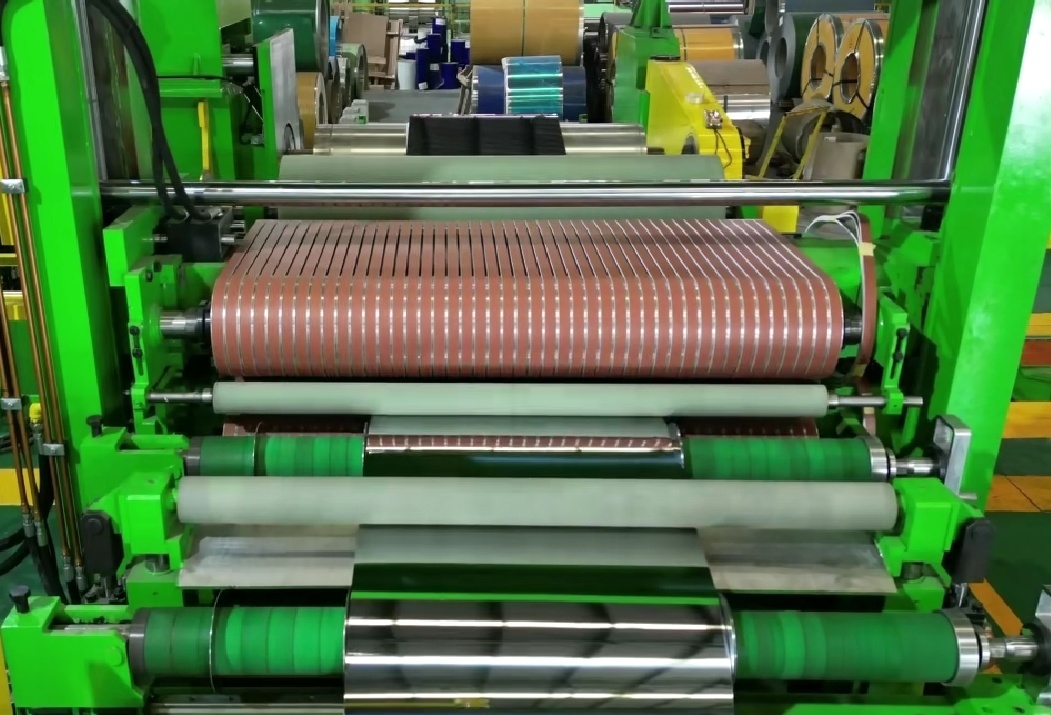
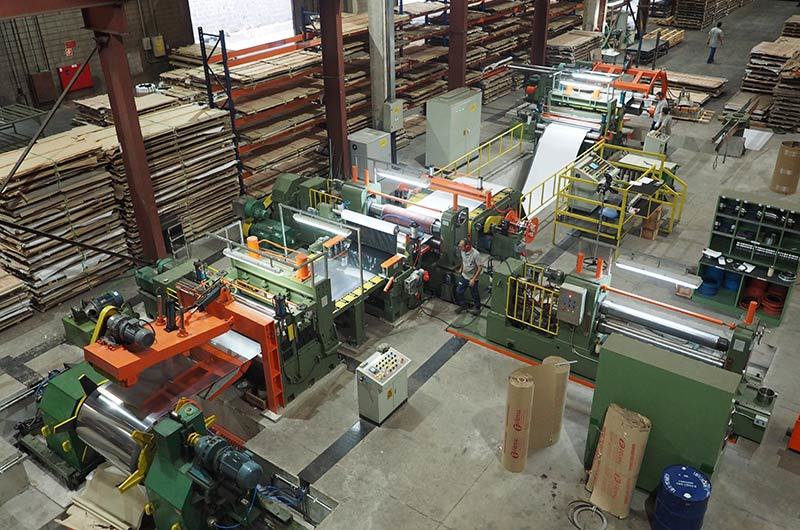
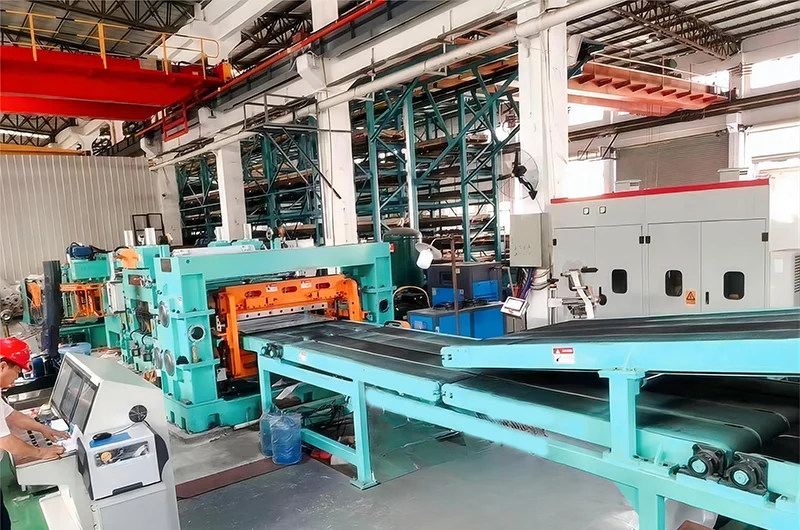
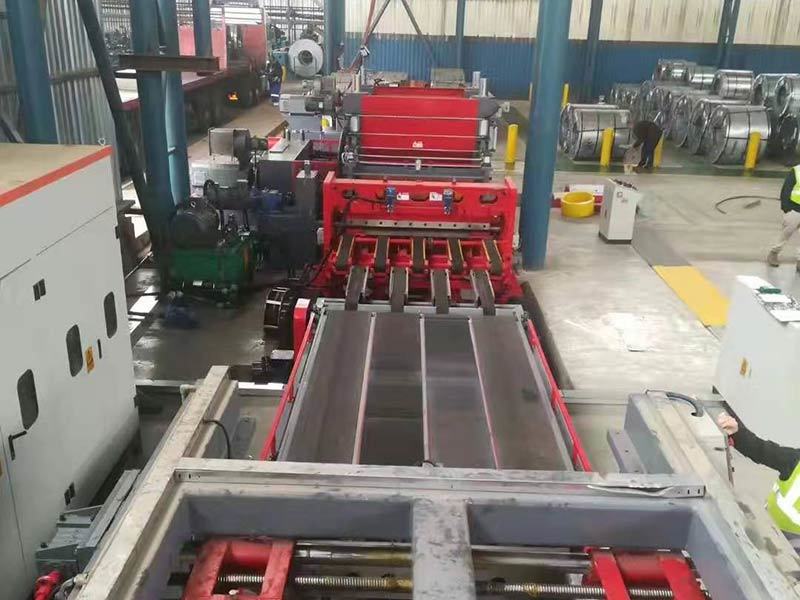
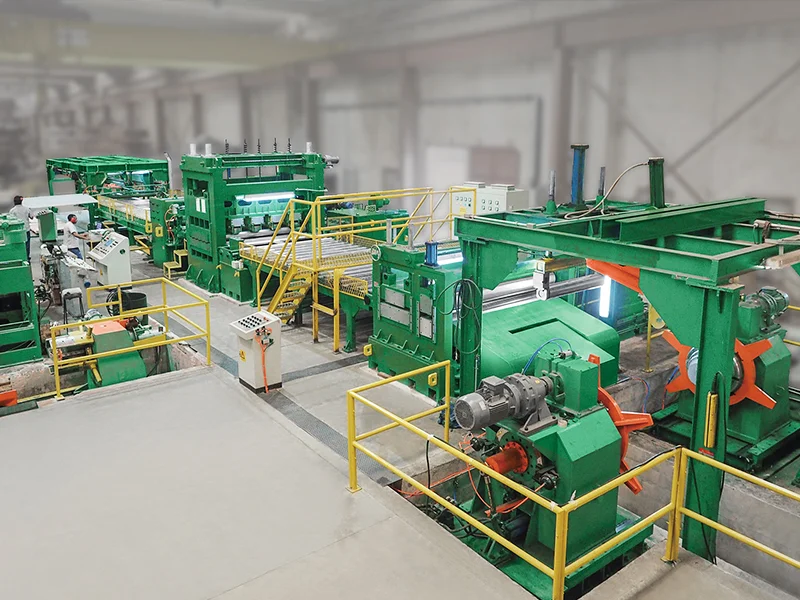
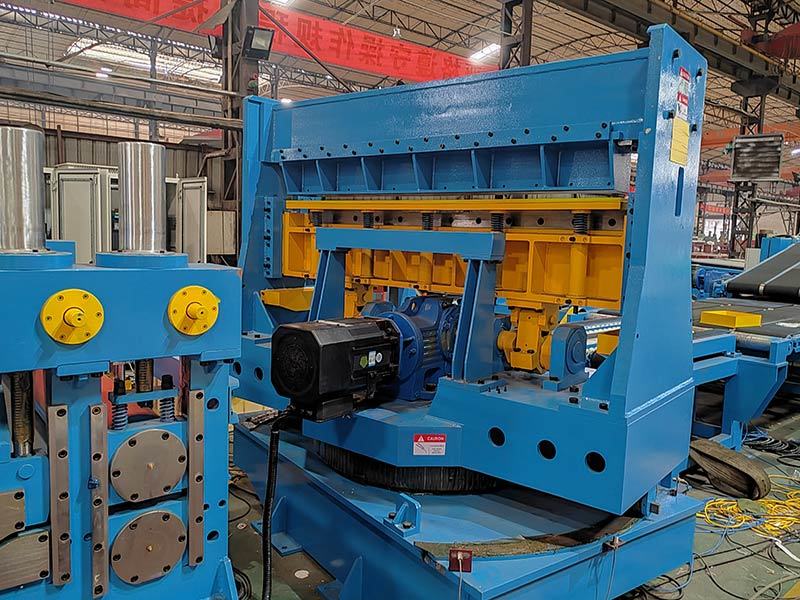
The slitting line ,slitting machine or slitter is a key piece of equipment in metal processing and cutting industries, and its stable operation directly impacts production efficiency and product quality. However, prolonged high-load operation can lead to various malfunctions. Understanding common issues and their solutions, coupled with diligent daily maintenance, can significantly reduce downtime losses. Below is a detailed overview of the common faults associated with slitting lines and essential maintenance tips. By addressing these areas proactively, operators can enhance the reliability of their metal processing equipment, ensuring consistent slitting performance and high-quality cutting output. Regular checks and prompt repairs are crucial to prevent minor issues from escalating into major problems, ultimately optimizing operational efficiency.
1. Inaccurate Cutting Dimensions Issue Of Coil Cutting Line
Fault Phenomenon:
The width of the finished product metal coils after slitting does not match the set dimensions, and the deviation exceeds the allowable range, affecting subsequent processing and usage.
Common Causes:
1. The positioning of the slitting blade shaft is inaccurate, and the installation clearance of the slitting blade is either too large or too small.
2. The raw material shifts during feeding, and the guiding device is improperly adjusted.
3. The slitter blade is severely worn, and the cutting edge is not sharp, causing the metal strip to stretch or deform under pressure.
Solutions:
1. Recalibrate the positioning of the slitter blade shaft and adjust the installation clearance of the slitting blade to ensure compliance with process requirements.
2. Inspect and adjust the guiding device to ensure smooth and deviation-free feeding of the mother coil.
3. Replace worn slitter blades promptly, and perform grinding and maintenance on the slitting blades to ensure the cutting edge remains sharp.
2.Material Surface Scratch Of Metal Coils
Fault Phenomenon:
Obvious scratches and indentations on the surface of the material after slitting, affecting the metal coils appearance quality. In severe cases, it leads to product coils rejection.
Common Causes:
1. Presence of contaminants, burrs, or severe wear on the surface of the metal processing equipment rollers.
2. Excessive pressure from the pressing rollers, causing steel strips deformation under stress.
3. Defects on the slitting blade edge, which scratch the metal strips during the slitting process.
Solutions:
1. Stop the slitting machine to clean contaminants from the roller surfaces, grind down burrs, and replace or repair severely worn rollers.
2. Thoroughly inspect all areas where the slitting line comes into contact with the steel strips, remove any foreign objects, and ensure all contact surfaces are smooth.
3. Inspect the slitting blade edges; repair or replace any defective blades to ensure the cutting edge is smooth and even.
3.Uneven Recoiling Of Slitting Line
Fault Phenomenon:
After slitting, the edges of the baby coils are uneven during recoiling, exhibiting deviation (wandering), and the tightness of the metal coil is inconsistent. This affects the storage and subsequent use of the finished product coils.
Common Causes:
1. Improper adjustment of recoiling tension of slitting line; the tension is either too high or too low.
2. Inaccurate positioning of the recoiler mandrel; it is not parallel to the knive shaft or the guiding roller.
3. Incorrect adjustment of the guiding device, causing the metal strips to shift as it enters the recoiling roller.
4. Unstable rotational speed of the recoiler motor, or malfunction of the clutch or brake.
Solutions:
1. Readjust the recoiling tension of coil cutting line, setting an appropriate tension value based on the metal's characteristics.
2. Calibrate the position of the recoiler mandrel to ensure it is parallel to the blade shaft and the guiding roller.
3. Adjust the guide device to ensure the cut strip enters the recoiler smoothly and accurately.
4. Inspect and repair the recoiler motor, clutch, brake, and other components to eliminate faults and ensure stable recoiling speed.
4.Short Blade Life Of Metal Coil Slitter Line
Fault Phenomenon:
The slitter blades experience frequent wear and chipping during use, resulting in a service life far below the normal level and increasing production costs.
Common Causes:
1. Incorrect selection of slitting blade material, which is unsuitable for the type of material being slit.
2. Excessive slitting speed or the material hardness exceeding the blade's operational limits.
3. Improper slitting blade installation, leading to issues such as eccentricity or tilting.
4. Lack of necessary lubrication and cooling, causing high temperatures during slitting that damage the knife blade.
Solutions:
1. Select slitter blades with the appropriate material and specifications based on the characteristics of the material being slit.
2. Reasonably adjust the slitting speed to ensure it matches the material hardness and blade performance, avoiding overload conditions.
3. Standardize the blade installation procedure to ensure the blade is mounted accurately and securely, free from eccentricity or tilting.
4. Inspect the lubrication and cooling system to ensure an adequate supply of lubricant and effective cooling performance; perform timely lubrication and cooling of the knife blades.
LMS Machinery is a leading manufacturer of high-performance metal coil slitting lines and cut-to-length machines. LMS metal processing equipment integrates high-end automation with robust engineering to ensure exceptional stability and a prolonged service life. Catering to a wide spectrum of industrial needs, LMS Machinery provide light gauge slitting lines for metal coils from 0.2mm to 3.0mm and heavy gauge slitting machines capable of handling metal coils from 3.0mm to 12mm, delivering precision and reliability for every project. Trusted by manufacturers worldwide, LMS Machinery is your partner for efficient, long-term coil processing solutions.
Recent News
Contact LMS
Contact Us
Fax:
+86-20-87319225
Tel:
E-mail:
E-mail:
Address:
20AB Zhongqiao Building,Guangzhou, China,510000
Request Quote
If you have found your desired products, please feel free to contact, we are here for you 24/7.
Contact
LMS is a metal coil slitting line manufacturer
info@slittinglinelms.com
20AB Zhongqiao Building,Guangzhou, China,510000
Other links
Legal Disclaimer
Privacy Policy
Cookie policy
Quik Links