



news
Unlocking the Potential of Decoiling and Cutting to Length Lines: A Comprehensive Guide
Apr 04,2026
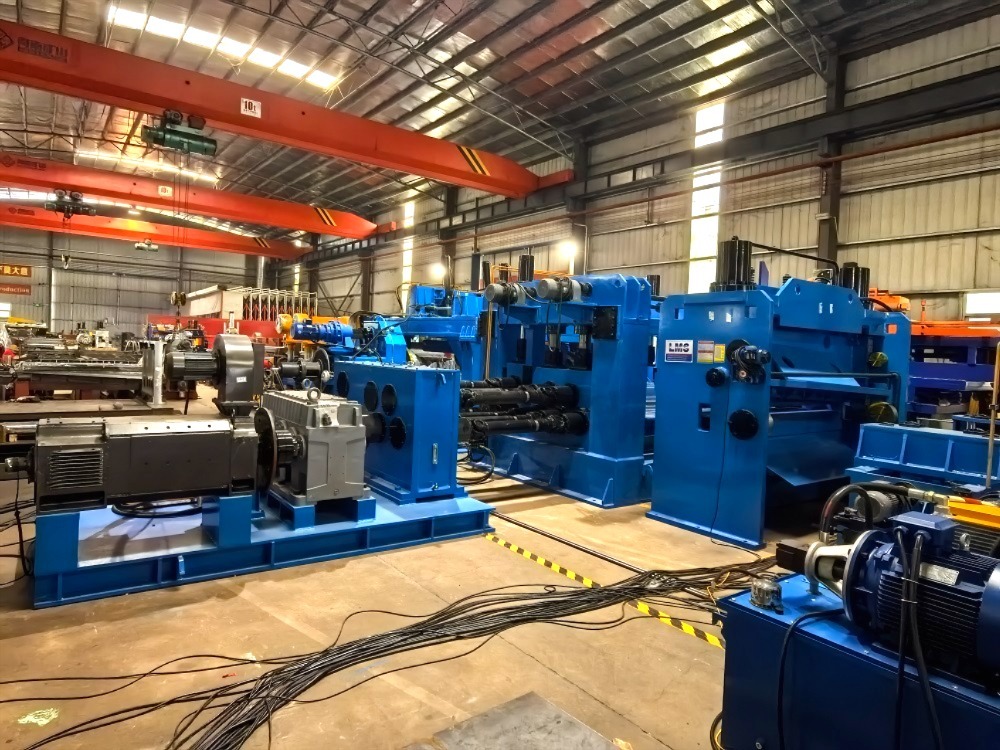
Unlocking the Potential of Decoiling and Cutting to Length Lines
Understanding Decoiling and Cutting to Length Lines
Decoiling and cutting to length lines play a vital role in the **metal processing industry**, providing essential functions that streamline manufacturing processes. These lines are engineered to take coils of metal and transform them into precise lengths, ready for further processing or assembly. The efficiency of these operations can significantly impact productivity and product quality.
The Functionality of Decoiling Machines
Decoiling machines are designed to unwind coils of metal, preparing them for cutting or other processing. This machinery is crucial for handling large, heavy coils, ensuring that the material is fed smoothly and accurately into the subsequent cutting processes.
Features of decoiling machines include:
- **Automatic uncoiling**: This feature allows for continuous feeding of material, enhancing productivity.
- **Tension control**: Maintaining the right tension prevents damage to the material, ensuring high-quality output.
- **Variable speed control**: Adjusting the speed of decoiling based on the specific metal type and thickness maximizes efficiency.
What is Cutting to Length?
Cutting to length involves precisely cutting metal sheets or strips into predetermined lengths. This operation is crucial for preparing materials for further processing, such as welding, forming, or assembling. The cutting process often employs various techniques, including shearing, laser cutting, or plasma cutting, depending on the material and application.
Applications of Decoiling and Cutting to Length Lines
Decoiling and cutting to length lines serve a variety of industries, including automotive, aerospace, construction, and manufacturing. Each sector utilizes these processes to meet distinct requirements, making these machines versatile tools in metal fabrication.
Automotive Industry Applications
In the automotive sector, precision is paramount. Decoiling and cutting to length lines are used to create components such as brackets, frames, and body parts. The ability to produce consistent lengths ensures that parts fit together seamlessly during assembly, enhancing overall vehicle quality.
Aerospace Industry Requirements
The aerospace industry demands materials with stringent specifications. Decoiling and cutting to length lines are employed to manufacture intricate components, ensuring that tolerances are met precisely. The lightweight nature of aerospace components also necessitates specialized handling during the decoiling and cutting processes.
Construction and Manufacturing Benefits
Construction projects often require large quantities of metal components, such as beams, columns, and plates. The efficiency of decoiling and cutting to length lines allows manufacturers to produce these components quickly, reducing lead times and costs for construction projects.
Choosing the Right Decoiling and Cutting to Length Line
Selecting the appropriate line depends on various factors, including material type, thickness, and production volume. Here are essential considerations to make an informed decision:
Material Specifications
Understanding the material characteristics is critical. Different metals, such as steel, aluminum, and copper, have unique properties that affect the decoiling and cutting processes. For instance, aluminum is lighter and requires specialized handling compared to steel.
Production Capacity
Evaluate your production needs. If your operation requires high output, investing in a line with faster decoiling and cutting capabilities will pay off. Additionally, consider scalability for future growth.
Technological Features
Modern decoiling and cutting to length lines come equipped with advanced technologies, such as automation and computer control systems. These features enhance precision and streamline operations, making them worth the investment.
Best Practices for Operating Decoiling and Cutting to Length Lines
To maximize the efficiency of decoiling and cutting lines, operators should follow best practices that enhance productivity and minimize waste.
Regular Maintenance and Inspection
Conducting routine maintenance checks is essential to keep the machines running smoothly. Regular inspections help identify potential issues before they escalate, ensuring continuous operation.
Operator Training and Skill Development
Investing in operator training is crucial. Skilled operators can optimize machine settings, reducing material waste and improving the overall quality of cuts. Training should cover both machine operation and safety protocols.
Future Trends in Decoiling and Cutting to Length Technologies
The metal processing industry is continually evolving, driven by technological advancements and changing market demands. Here are some future trends to watch for:
Integration of Artificial Intelligence (AI)
AI integration in decoiling and cutting processes can optimize operations by analyzing data and improving efficiency. Predictive maintenance powered by AI can significantly reduce downtime and enhance machine longevity.
Advancements in Automation
Automation will continue to play a vital role in the industry. Automated systems can handle repetitive tasks, allowing operators to focus on more complex duties. This shift not only enhances efficiency but also improves worker safety.
Common Challenges in Decoiling and Cutting Processes
Despite the advantages of decoiling and cutting to length lines, challenges do exist. Addressing these issues promptly can help maintain smooth operations.
Material Handling Difficulties
Handling heavy coils can be challenging and may pose safety risks. Implementing proper handling equipment and techniques is essential to ensure worker safety and prevent material damage.
Quality Control Issues
Maintaining strict quality control throughout the decoiling and cutting processes is crucial. Any deviations can lead to defective products, impacting customer satisfaction. Implementing robust quality assurance protocols helps mitigate these risks.
FAQs About Decoiling and Cutting to Length Lines
1. What materials can be processed using decoiling and cutting to length lines?
Decoiling and cutting to length lines can handle various materials, including steel, aluminum, and copper, depending on the specific machinery utilized.
2. How can I improve the efficiency of my decoiling and cutting processes?
Regular maintenance, operator training, and investing in advanced technologies can significantly enhance the efficiency of decoiling and cutting operations.
3. What are the main differences between shearing and laser cutting?
Shearing is a mechanical cutting process that uses a sharp blade, while laser cutting employs a focused beam of light. Each method has its advantages depending on the material and desired precision.
4. Can decoiling and cutting to length lines be automated?
Yes, many modern decoiling and cutting lines are designed with automation capabilities, streamlining operations and reducing labor costs.
5. What are the safety precautions for operating decoiling and cutting lines?
Safety precautions include wearing appropriate personal protective equipment (PPE), following machine safety guidelines, and ensuring proper training for all operators.
Conclusion
Decoiling and cutting to length lines are transformative assets in the metal processing industry. By understanding their functionality, applications, and best practices, businesses can unlock their potential, enhancing productivity and product quality. As technology advances, embracing these innovations will be crucial for staying competitive in the ever-evolving landscape of metal fabrication. Investing in the right machinery and practices today can lead to significant benefits for tomorrow’s operations.
PREVIOUS:
Recent News
Contact LMS
Contact Us
Sales hotline:
WhatsApp:
E-mail:
Address:
20AB Zhongqiao Building,Guangzhou, China,510000
Request Quote
If you have found your desired products, please feel free to contact, we are here for you 24/7.