



news
Unlocking Efficiency: The Role of Metal Coil Slitting and Rewinding Machines in Modern Manufacturing
Feb 18,2026
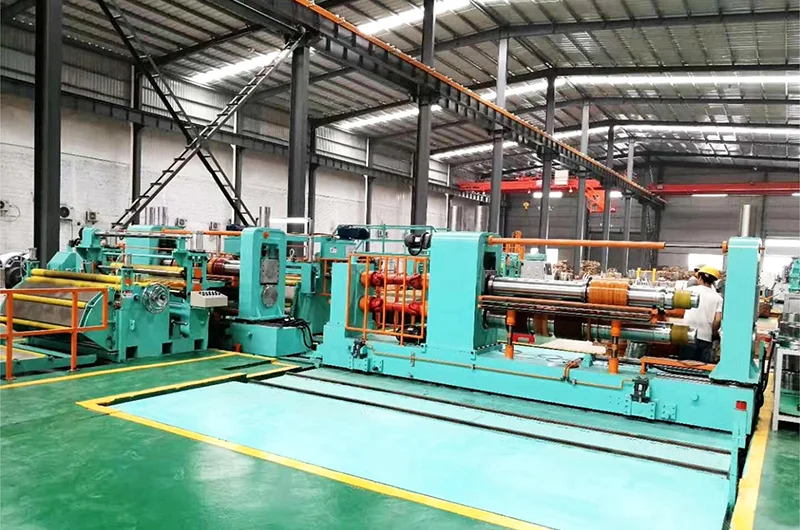
Metal coil slitting and rewinding machines are crucial in the manufacturing and processing of metal materials. These machines are designed to cut large rolls of metal coils into narrower strips or slits, which can then be rewound into manageable rolls for further processing or distribution. This process is vital in industries such as automotive, electronics, and construction, where precision and material quality are paramount.
The slitting process involves the use of rotary knives or blades that slice through the metal coil. The setup typically includes a feeding mechanism that ensures the coil is fed into the machine at a consistent rate, reducing the chances of defects. The knives can be adjusted to create various widths and can handle different materials, including steel, aluminum, and copper. This versatility allows manufacturers to produce a range of products tailored to specific market needs.
Once the slitting is complete, the rewinding process takes place. The narrower strips are wound onto new cores, making them easier to handle and transport. This step not only improves handling efficiency but also helps in maintaining the quality of the metal strips by minimizing the risk of damage during transit. Advanced machines may also include features like tension control and automatic cutting mechanisms, which enhance precision and reduce labor costs.
One significant advantage of using metal coil slitting and rewinding machines is the reduction of material waste. By optimizing the cutting process, manufacturers can utilize almost the entire coil, maximizing profitability. Additionally, these machines can operate at high speeds, significantly increasing production rates and allowing companies to meet demands more effectively.
Moreover, advancements in technology have led to the development of smarter and more efficient slitting machines. Features such as computer numerical control (CNC) systems enable precise adjustments and monitoring, which enhances accuracy and reduces human error. This technological integration allows for better quality control and consistent output.
In conclusion, metal coil slitting and rewinding machines play an indispensable role in the metal processing industry. By providing precision cutting, efficient rewinding, and material optimization, they help manufacturers meet the demands of today's competitive market. Understanding the capabilities and benefits of these machines can lead to improved production processes and enhanced product quality, making them a valuable investment for any metal processing operation.
The slitting process involves the use of rotary knives or blades that slice through the metal coil. The setup typically includes a feeding mechanism that ensures the coil is fed into the machine at a consistent rate, reducing the chances of defects. The knives can be adjusted to create various widths and can handle different materials, including steel, aluminum, and copper. This versatility allows manufacturers to produce a range of products tailored to specific market needs.
Once the slitting is complete, the rewinding process takes place. The narrower strips are wound onto new cores, making them easier to handle and transport. This step not only improves handling efficiency but also helps in maintaining the quality of the metal strips by minimizing the risk of damage during transit. Advanced machines may also include features like tension control and automatic cutting mechanisms, which enhance precision and reduce labor costs.
One significant advantage of using metal coil slitting and rewinding machines is the reduction of material waste. By optimizing the cutting process, manufacturers can utilize almost the entire coil, maximizing profitability. Additionally, these machines can operate at high speeds, significantly increasing production rates and allowing companies to meet demands more effectively.
Moreover, advancements in technology have led to the development of smarter and more efficient slitting machines. Features such as computer numerical control (CNC) systems enable precise adjustments and monitoring, which enhances accuracy and reduces human error. This technological integration allows for better quality control and consistent output.
In conclusion, metal coil slitting and rewinding machines play an indispensable role in the metal processing industry. By providing precision cutting, efficient rewinding, and material optimization, they help manufacturers meet the demands of today's competitive market. Understanding the capabilities and benefits of these machines can lead to improved production processes and enhanced product quality, making them a valuable investment for any metal processing operation.
PREVIOUS:
Recent News
Contact LMS
Contact Us
Sales hotline:
WhatsApp:
E-mail:
Address:
20AB Zhongqiao Building,Guangzhou, China,510000
Request Quote
If you have found your desired products, please feel free to contact, we are here for you 24/7.