



news
Maximizing Efficiency with Advanced Metal Coil Slitting and Rewinding Technology
Jan 20,2026
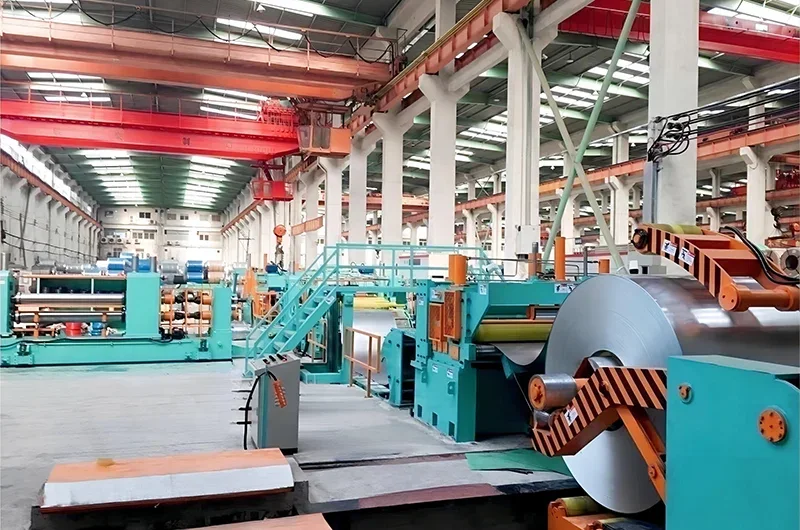
Maximizing Efficiency with Advanced Metal Coil Slitting and Rewinding Technology
Table of Contents
- Introduction to Metal Coil Slitting and Rewinding
- Understanding the Slitting and Rewinding Process
- Benefits of Advanced Metal Coil Slitting and Rewinding Technology
- Improved Productivity and Efficiency
- Cost Reduction and Waste Minimization
- Enhanced Quality Assurance
- Key Technologies in Coil Slitting and Rewinding
- Automated Systems and Robotics
- Precision Tools and Cutting Techniques
- Software Integration for Enhanced Control
- Best Practices for Implementing Slitting and Rewinding Technology
- Case Studies: Successful Implementations
- Future Trends in Metal Coil Processing
- Frequently Asked Questions
- Conclusion
Introduction to Metal Coil Slitting and Rewinding
In the metal processing industry, **coil slitting and rewinding** play a pivotal role in transforming large rolls of metal into narrower strips or coils that meet specific customer requirements. As manufacturers face increasing pressure to enhance productivity and reduce costs, the adoption of **advanced slitting and rewinding technologies** has become essential. This article delves into how these technologies maximize efficiency, highlighting key processes, benefits, and future trends.
Understanding the Slitting and Rewinding Process
Coil slitting is the process of cutting wide metal coils into narrower widths. The metal is uncoiled, cut with precision, and then rewound into smaller coils. This process is critical in various industries, including automotive, construction, and appliance manufacturing.
The slitting process often involves several steps:
1. **Uncoiling**: The metal coil is mounted on a pay-off reel and unwound.
2. **Slitting**: Blades, either rotary or shear, cut the metal into the desired widths.
3. **Rewinding**: The cut strips are collected and rewound onto a take-up reel.
Understanding these steps is crucial for optimizing the slitting and rewinding process, which leads to greater efficiency and productivity.
Benefits of Advanced Metal Coil Slitting and Rewinding Technology
Improved Productivity and Efficiency
By incorporating **advanced technologies** in metal coil slitting and rewinding, manufacturers can significantly improve productivity. Automated systems increase the speed of operations, allowing for higher output with less human intervention.
For instance, implementing **high-speed slitting lines** can reduce cycle times, enabling manufacturers to meet increasing demand without compromising quality. Additionally, real-time monitoring systems provide operators with critical data, allowing for quicker adjustments and minimizing downtime.
Cost Reduction and Waste Minimization
Advanced coil slitting technology not only boosts productivity but also reduces operational costs. By optimizing cutting techniques, manufacturers can minimize metal waste. Precision slitting tools ensure that every strip produced is within specifications, reducing the need for rework or scrap.
Moreover, energy-efficient machines reduce power consumption, further lowering overall manufacturing costs. These cost-saving measures are crucial for maintaining competitive pricing in the metal processing market.
Enhanced Quality Assurance
Quality assurance is paramount in metal processing. Advanced slitting and rewinding technology ensure that the final product meets stringent quality standards. Automated systems are equipped with sensors and cameras that monitor the quality of each cut, identifying defects early in the process.
This real-time quality control not only enhances product reliability but also builds customer trust. High-quality outputs contribute to a company’s reputation, making it a preferred supplier in the industry.
Key Technologies in Coil Slitting and Rewinding
Automated Systems and Robotics
The integration of **automation and robotics** into the slitting and rewinding process has revolutionized metal processing. Automated systems streamline operations, allowing for faster production rates and reduced labor costs. Robots can perform tasks such as material handling, loading, and unloading, freeing up human workers for more complex tasks.
These automated systems are not only efficient but also enhance safety in the workplace by reducing the risk of accidents associated with manual handling.
Precision Tools and Cutting Techniques
Precision tools are essential for an effective slitting process. Rotary slitting blades, laser cutting, and water jet cutting technologies ensure clean cuts and high-quality edges. The choice of cutting technique depends on the material and the required precision levels.
Utilizing precision tools minimizes post-processing work, which saves time and reduces costs. Investing in high-quality cutting tools is paramount for manufacturers aiming to maintain competitive advantage.
Software Integration for Enhanced Control
Modern slitting and rewinding systems are increasingly integrated with advanced software solutions. These systems enable real-time data analysis and process monitoring, allowing for better decision-making.
Manufacturers can utilize software to track production metrics, analyze performance, and identify potential bottlenecks. This level of control not only enhances efficiency but also contributes to a culture of continuous improvement within the organization.
Best Practices for Implementing Slitting and Rewinding Technology
To maximize the benefits of advanced slitting and rewinding technology, manufacturers should adopt best practices, including:
1. **Regular Maintenance**: Regularly maintain and calibrate machinery to ensure optimal performance. Preventive maintenance helps reduce downtime and extends equipment life.
2. **Training and Development**: Invest in ongoing training for operators and staff. Familiarity with advanced technologies maximizes their effectiveness and ensures that personnel can troubleshoot issues as they arise.
3. **Integration of Feedback Systems**: Create feedback loops with operators to identify areas for improvement. Encourage communication about the effectiveness of new technologies and processes.
4. **Monitoring and Analytics**: Utilize data analytics tools to track production performance. Focus on metrics such as yield rates, cycle times, and operational costs to drive improvements.
Case Studies: Successful Implementations
Examining case studies of successful implementations of advanced coil slitting and rewinding technology can provide valuable insights.
**Case Study 1: Automotive Component Manufacturer**
An automotive component manufacturer implemented an automated slitting line that increased productivity by 35% within six months. By integrating precision cutting techniques and real-time monitoring, they reduced waste by 20%.
**Case Study 2: Appliance Manufacturer**
A leading appliance manufacturer adopted advanced slitting technology that allowed them to cut material costs by 15% while improving product quality. By leveraging data analytics, they were able to optimize their production processes effectively.
These case studies illustrate the tangible benefits of adopting advanced metal coil slitting and rewinding technologies.
Future Trends in Metal Coil Processing
The future of metal coil slitting and rewinding technology is promising, with several trends emerging:
1. **Increased Automation**: As technology advances, more manufacturers will adopt fully automated systems that require minimal human intervention.
2. **Smart Manufacturing**: The integration of IoT devices will enable smarter manufacturing processes, allowing for real-time adjustments based on production data.
3. **Sustainability Initiatives**: The industry will continue to focus on sustainable practices, including reduced energy consumption and material waste.
4. **Advanced Materials**: Innovations in material science will lead to the development of new metal alloys, requiring advancements in slitting and rewinding processes.
These trends indicate a shift toward more efficient, sustainable, and technologically advanced metal processing operations.
Frequently Asked Questions
1. What is metal coil slitting?
Metal coil slitting is the process of cutting wide metal coils into narrower strips or coils, which are used in various manufacturing applications.
2. How does advanced technology improve slitting efficiency?
Advanced technology enhances slitting efficiency through automation, precision cutting methods, and real-time monitoring systems, reducing cycle times and waste.
3. What are the benefits of automated slitting systems?
Automated slitting systems increase productivity, reduce labor costs, enhance safety, and improve the quality of the final product.
4. What materials can be processed using slitting technology?
Metal coil slitting technology can process a variety of materials, including steel, aluminum, and other metal alloys.
5. How can manufacturers ensure quality in slitting operations?
Implementing real-time monitoring and quality control systems can help manufacturers maintain high-quality standards throughout the slitting process.
Conclusion
Maximizing efficiency in metal coil slitting and rewinding technology is crucial for manufacturers seeking to remain competitive in the fast-paced metal processing industry. By adopting advanced technologies, companies can enhance productivity, reduce costs, and assure quality, paving the way for future success. As the industry continues to evolve, staying ahead of trends and embracing innovation will be key to thriving in the modern manufacturing landscape.
PREVIOUS:
Articoli recenti
Contact LMS
Contact Us
Sales hotline:
WhatsApp:
E-mail:
Address:
20AB Zhongqiao Building,Guangzhou, China,510000
Request Quote
If you have found your desired products, please feel free to contact, we are here for you 24/7.