



news
The Role of Cut to Length Lines in Modern Metal Processing
Dec 03,2025
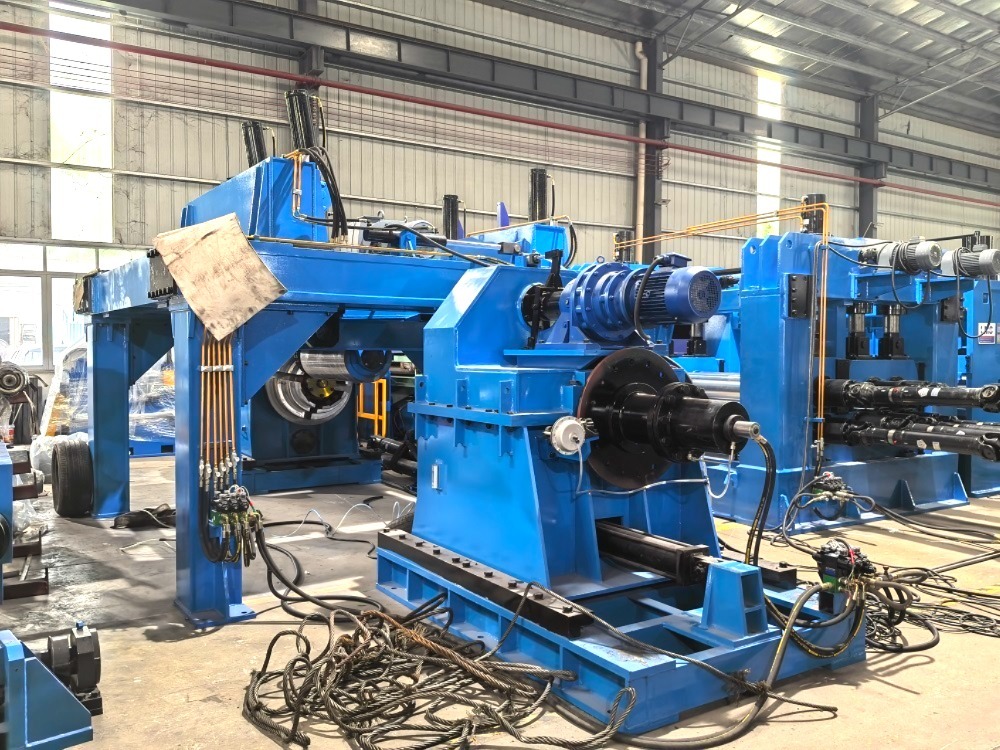
The Role of Cut to Length Lines in Modern Metal Processing
Table of Contents
- Introduction to Cutting to Length Lines
- Understanding Decoiling in Metal Processing
- Importance of Cutting to Length Lines
- Technological Advancements in Cutting
- Applications of Cutting to Length Lines in Various Industries
- Economic Benefits of Cutting Processes
- Challenges in Cutting to Length Operations
- Future Trends in Cutting to Length Technologies
- FAQs
- Conclusion
Introduction to Cut to Length Lines
In the landscape of modern metal processing,cut to length lines** play a pivotal role. These systems are integral to the manufacturing of metal products, allowing for efficient and precise processing of raw materials such as coils of steel or aluminum. By understanding the functions and advantages of these systems, manufacturers can optimize their production processes and deliver superior products to the market.
Importance of Cutting to Length Lines
Once the metal is decoiled, cutting to length lines take over, ensuring that the processed metal is cut into specified lengths for further manufacturing processes. This step is crucial as it influences the quality and usability of the final product.
Precision Cutting
Cutting to length lines utilize advanced cutting technologies, such as rotary shear or guillotine cutting, to ensure clean and precise cuts. This precision is vital in applications where tolerances are tight, such as in automotive and aerospace industries.
Increased Efficiency
These systems significantly enhance production efficiency by automating the cutting process. Rather than manual cutting, which can be labor-intensive and prone to error, automated cutting lines streamline operations and reduce waste.
Technological Advancements in Cutting
The evolution of cutting technologies has led to remarkable improvements in efficiency and quality.
Automation and Industry 4.0
Modern cutting lines often incorporate automation and advanced sensors, allowing for real-time monitoring and adjustments. This integration aligns with Industry 4.0 principles, enhancing connectivity and data analysis in manufacturing.
High-Speed Operations
With advancements in motor and cutting technologies, cutting lines can operate at unprecedented speeds. This capability allows manufacturers to increase output while maintaining quality standards.
Applications of Cut to Length Lines in Various Industries
Decoiling and cutting to length lines find applications across a multitude of industries, including automotive, construction, and consumer goods.
Automotive Industry
In the automotive sector, precision and quality are paramount. cutting systems are used to create components such as frames, chassis parts, and body panels, ensuring they meet strict safety and performance standards.
Construction Industry
Steel beams and other construction materials often undergo cutting processes to meet specific dimensions for building projects. This precision is essential for structural integrity and compliance with building codes.
Consumer Goods
Manufacturers of consumer goods utilize these systems for creating metal components that are both aesthetically pleasing and functional, such as kitchen appliances and furniture.
Economic Benefits of Cutting Processes
Investing in cutting to length lines can yield significant economic benefits for manufacturing operations.
Cost Reduction
Automation reduces labor costs and improves output rates, leading to cost savings. Additionally, precision cutting minimizes material waste, contributing to a more economical production process.
Improved Product Quality
The quality of the final product is enhanced through the use of precision machinery, ensuring that products meet customer expectations and industry standards, which can lead to higher sales and customer satisfaction.
Challenges in Cutting to Length Operations
Despite their many advantages, cutting processes face challenges that manufacturers must address.
Material Handling Issues
Handling heavy coils can present safety and efficiency challenges. Implementing advanced material handling systems can mitigate these risks and improve workflow.
Maintenance Requirements
Regular maintenance is crucial to ensure the longevity and efficiency of cutting lines. Manufacturers should establish a proactive maintenance schedule to prevent unexpected downtimes.
Future Trends in Cutting to Length Technologies
Looking ahead, several trends are likely to shape the future of cutting technologies.
Integration of Artificial Intelligence
As AI technology advances, its integration into cutting lines can lead to smarter operations, where machines can predict maintenance needs and optimize performance.
Sustainable Practices
With increasing focus on sustainability, manufacturers are exploring eco-friendly materials and processes that reduce waste and energy consumption in cutting operations.
FAQs
1. What is the primary function of a decoiling machine?
The primary function of a decoiling machine is to unwind metal coils for processing in manufacturing operations.
2. How does cutting to length improve production efficiency?
Cutting to length automates the cutting process, reducing manual labor and ensuring consistent, precise cuts, which increases production speed.
3. What industries benefit most from cutting technologies?
Industries such as automotive, construction, and consumer goods greatly benefit from these technologies due to their need for precision and efficiency.
4. What are the maintenance requirements for cutting lines?
Regular inspections, cleaning, and timely parts replacement are essential for maintaining the efficiency and longevity of these machines.
5. How can manufacturers ensure safety when handling heavy coils?
Utilizing advanced material handling equipment and ensuring proper training for operators can enhance safety when handling heavy coils.
Conclusion
Decoiling and cutting to length lines are crucial components of modern metal processing, playing a significant role in enhancing efficiency, precision, and economic benefits for manufacturers. As technology continues to evolve, these systems will undoubtedly adapt and improve, paving the way for even greater innovations in the metal processing industry. By understanding and leveraging these technologies, businesses can position themselves favorably in a competitive landscape, ensuring they meet the demands of today’s market while also preparing for the challenges of tomorrow.
Articoli recenti
Contact LMS
Contact Us
Sales hotline:
WhatsApp:
E-mail:
Address:
20AB Zhongqiao Building,Guangzhou, China,510000
Request Quote
If you have found your desired products, please feel free to contact, we are here for you 24/7.