


news
The Critical Importance of Slitter Rewinders in Metal Coil Processing
Dec 13,2025
The Role of Slitter Rewinders in Metal Coil Processing
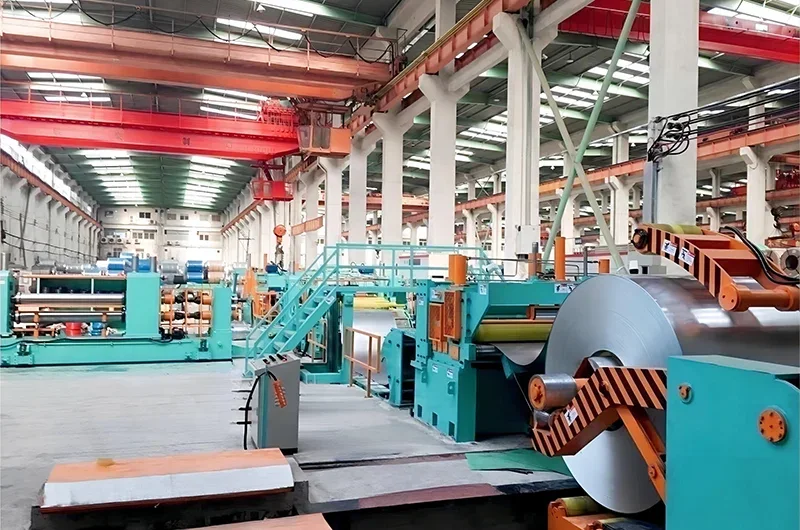
In the realm of metal processing, slitter rewinders stand as pivotal machines that ensure the optimal handling and transformation of metal coils. These machines not only streamline production but also enhance the quality of the final products. This article delves into the essential functions, benefits, and operational intricacies of slitter rewinders in metal coil processing. We will explore how these machines contribute to efficiency and precision in manufacturing.
Understanding Slitter Rewinders: An Overview
At its core, a slitter rewinder is designed to cut large rolls of material into narrower strips. This process is vital in industries that utilize metal coils for various applications, including automotive parts, construction materials, and more. The slitting process involves the use of sharp blades to slice through the metal, enabling precise widths tailored to customer specifications.
Components of a Slitter Rewinder
To appreciate the role of slitter rewinders in metal coil processing, it is essential to understand their principal components:
- Slitting Blades: Sharp and durable, these blades perform the cutting action.
- Unwind and Rewind Stations: These stations hold the metal coils, allowing for smooth unwinding and rewinding post-slitting.
- Tension Control System: Maintains consistent tension on the material throughout the process, ensuring uniform cuts.
- Guiding Systems: Direct the metal as it passes through the machine, ensuring accuracy and preventing misalignment.
How Slitter Rewinders Operate
Operating a slitter rewinder involves several critical steps:
- Loading the Metal Coil: The coil is securely placed on the unwind station.
- Adjusting Blade Settings: Operators set the blades to the desired width based on production requirements.
- Slitting Process: The machine engages, and the blades cut the metal as it unwinds.
- Rewinding: The cut strips are then rewound into smaller rolls at the rewind station.
The Significance of Slitter Rewinders in Manufacturing
Slitter rewinders are not merely operational tools; they are integral to the metal processing industry for various reasons:
Enhancing Efficiency in Production
By automating the slitting process, slitter rewinders significantly decrease production time. The rapid cutting capabilities allow manufacturers to increase output without compromising quality. This efficiency translates to reduced labor costs and maximized resource utilization.
Improving Product Quality
Precision is paramount in metal processing. Slitter rewinders ensure that each cut is consistent, minimizing the risk of defects. The use of advanced tension control systems allows for even slitting, which enhances product uniformity and quality. This capability is particularly crucial in sectors where dimensional accuracy is non-negotiable.
Customizing Product Specifications
Manufacturers often require metal strips of varying widths and thicknesses. Slitter rewinders can be easily adjusted to accommodate different specifications, providing flexibility in production. This adaptability allows businesses to meet diverse market demands without extensive downtime or reconfiguration.
Applications of Slitter Rewinders in Metal Processing
The versatility of slitter rewinders makes them applicable in various sectors:
Automotive Industry
In the automotive sector, slitter rewinders are crucial for producing components such as body panels, brackets, and structural parts. The precision cuts ensure that parts fit seamlessly within automotive assembly lines.
Construction and Architecture
Metal strips produced by slitter rewinders are utilized in roofing, siding, and structural beams. The quality and reliability of these strips are paramount for the safety and durability of construction projects.
Electronics Manufacturing
In electronics, slitter rewinders are used to create metal components for circuit boards and casings. The accuracy of slitting ensures that these components function correctly within complex electronic systems.
Benefits of Implementing Slitter Rewinders
The adoption of slitter rewinders offers numerous advantages to manufacturers:
Cost-Effectiveness
While the initial investment in slitter rewinders may be significant, the long-term savings in labor and material costs often outweigh the expenditures. Efficient operations lead to reduced waste and increased profitability.
Reduced Waste and Material Loss
Slitter rewinders minimize material loss through precise cuts. By optimizing the slitting process, manufacturers can maximize the yield from each metal coil, reducing overall waste and environmental impact.
Enhanced Safety Features
Modern slitter rewinders are equipped with advanced safety mechanisms that protect operators during the slitting process. These features not only comply with industry regulations but also promote a safer working environment.
Challenges and Considerations in Using Slitter Rewinders
Despite their many benefits, slitter rewinders come with challenges that manufacturers must navigate:
Maintenance and Upkeep
Regular maintenance is crucial to ensure the longevity of slitter rewinders. Operators must be trained to perform routine checks and address any wear and tear on blades and components to prevent production halts.
Operator Training and Skill Development
To fully leverage the capabilities of slitter rewinders, operators require specialized training. Ensuring that staff are proficient in machine operation and troubleshooting is vital for maintaining efficiency.
The Future of Slitter Rewinders in Metal Processing
The future of slitter rewinders looks promising with advancements in technology:
Integration with Automation and AI
As the manufacturing industry leans more towards automation, slitter rewinders are integrating with AI and machine learning technologies. These innovations will usher in higher levels of efficiency, predictive maintenance, and data-driven operations.
Sustainable Operations
With increasing pressure for sustainable manufacturing practices, slitter rewinders are evolving. Innovations aimed at reducing energy consumption and material waste will lead the way for eco-friendly production methods.
Frequently Asked Questions (FAQs)
1. What are the main advantages of using slitter rewinders in metal processing?
Slitter rewinders enhance efficiency, improve product quality, and allow customization of metal strips, thus benefiting various manufacturing sectors.
2. How do slitter rewinders affect production costs?
While they require an initial investment, slitter rewinders reduce labor and material costs over the long term through increased efficiency and minimized waste.
3. What maintenance is required for slitter rewinders?
Regular checks on blades, tension systems, and general machine functionality are essential to ensure optimal performance and longevity.
4. Can slitter rewinders handle different types of metals?
Yes, slitter rewinders can process various metals, including steel, aluminum, and copper, depending on the machine's specifications and blade configurations.
5. What safety measures are in place for slitter rewinders?
Modern slitter rewinders include safety features such as emergency stops, protective guards, and automatic shutdown systems to ensure operator safety during operation.
Conclusion
Slitter rewinders play a critical role in the efficiency and quality of metal coil processing. Their ability to deliver precise cuts, enhance productivity, and accommodate various applications makes them invaluable in the manufacturing landscape. As technology advances, slitter rewinders will continue to evolve, offering even greater benefits and innovations. For businesses in the metal processing industry, investing in these machines is a step towards achieving operational excellence and meeting the growing demands of the market.
PREVIOUS:
Articoli recenti
Contact LMS
Contact Us
Sales hotline:
WhatsApp:
E-mail:
Address:
20AB Zhongqiao Building,Guangzhou, China,510000
Request Quote
If you have found your desired products, please feel free to contact, we are here for you 24/7.